A Guide to Recognising and Managing Stress…
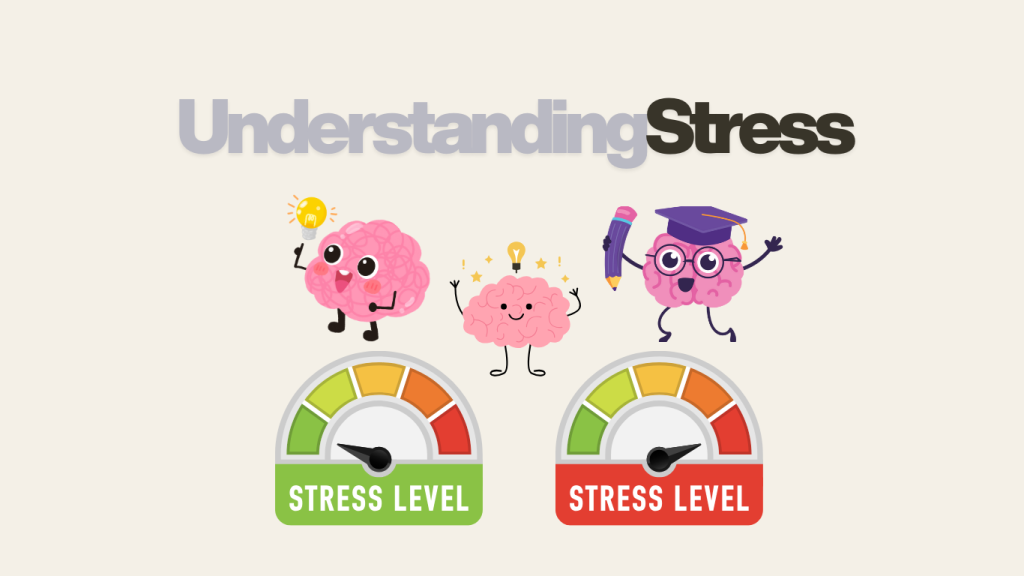
Introduction
Stress is an inevitable part of the human experience, something we all encounter in various forms, whether through work pressures, personal responsibilities, health concerns, or unexpected life changes. Despite being so common, stress remains a complex and often misunderstood phenomenon. It is not merely an emotional response; it encompasses a wide range of physical, psychological, and behavioural symptoms that can subtly or profoundly impact our daily lives.
When left unchecked, stress can lead to serious health complications, including anxiety, depression, cardiovascular disease, and weakened immune function. Physically, it may manifest as headaches, fatigue, digestive issues, or sleep disturbances. Mentally, it can erode our ability to concentrate, make decisions, or maintain emotional stability.
However, not all stress is inherently negative. In small doses, it can serve as a motivator, helping us meet deadlines, solve problems, or rise to challenges. The key lies in understanding the different types of stress, recognizing the signs early, and developing effective strategies for managing it.
By gaining insight into how stress operates and learning practical tools to cope with it, we can build resilience and enhance our overall well-being. In a world that often demands more than we can comfortably give, understanding and managing stress is not just helpful, it’s essential for leading a balanced, healthy, and fulfilling life.
What is Stress?
At its core, stress is the body’s innate, biological response to any situation that requires adaptation or action. Whether the trigger is emotional, mental, or physical, the body reacts by activating what’s known as the fight-or-flight response,a survival mechanism that has evolved to protect us from perceived threats. This response floods the body with hormones like adrenaline and cortisol, increasing heart rate, sharpening focus, and redirecting energy to essential systems to help us either confront the threat or escape it.
In the short term, this can be incredibly useful. For example, stress can help you meet a deadline, perform well in a high-stakes situation, or quickly react to danger. This kind of acute stress is typically temporary and resolves once the perceived challenge has passed.
However, problems arise when this stress response is triggered too frequently or for too long without adequate recovery. When the body remains in a heightened state of alert over an extended period, a condition known as chronic stress, it can begin to wear down the body’s systems. Chronically elevated cortisol levels can disrupt sleep, impair memory and concentration, increase blood pressure, weaken the immune system, and even contribute to serious health issues like heart disease, digestive disorders, and mental health conditions such as anxiety and depression.
Moreover, chronic stress doesn’t always stem from dramatic or life-threatening situations. Often, it results from ongoing pressures like financial strain, relationship conflict, workplace demands, or even the constant overstimulation of modern life. What’s most concerning is that many people become so accustomed to operating in a stressed state that they may not even recognize the toll it’s taking on their well-being.
Understanding this biological and psychological process is the first step toward breaking the cycle. By identifying the sources of stress and learning healthy coping strategies, we can train our bodies and minds to respond differently restoring balance and reducing the harmful effects of long-term stress.
Types of Stress
1. Acute Stress
Acute stress is the most common and immediate form of stress. It arises in response to a specific, short-term challenge or pressure, such as a looming deadline, a difficult conversation, an upcoming exam, or even getting stuck in traffic. The body responds quickly by releasing stress hormones like adrenaline and cortisol, preparing you to act quickly and effectively.
In small doses, acute stress can actually be beneficial. It can sharpen your focus, boost your energy, and help you perform better under pressure. Once the situation is resolved, the stress typically fades just as quickly. However, frequent exposure to acute stress without time to recover can start to wear down your body and mind, especially if you’re not using healthy coping strategies.
2. Chronic Stress
Chronic stress is long-lasting and more insidious. It develops when stressors persist over time—often weeks, months, or even years. Common causes include ongoing financial problems, high-pressure jobs, toxic relationships, caregiving responsibilities, or living in an unsafe or unstable environment.
Unlike acute stress, chronic stress doesn’t give the body a chance to return to a state of rest. The constant activation of the stress response can wear down the immune system, increase inflammation, and elevate the risk of serious health conditions such as heart disease, diabetes, anxiety, depression, and burnout. Over time, individuals suffering from chronic stress may feel numb, overwhelmed, or emotionally exhausted.
Recognizing chronic stress is crucial, as it often becomes the “background noise” of life—normalized until physical or mental health issues emerge.
3. Episodic Acute Stress
Episodic acute stress occurs when a person experiences frequent bouts of acute stress, often due to a lifestyle or mindset that involves constant pressure, overcommitment, or high reactivity. People prone to this type of stress might be perfectionists, overly competitive, pessimistic, or constantly in a rush.
They may frequently find themselves in crisis mode, moving from one stressful event to another, without adequate recovery time in between. Over time, this can lead to emotional exhaustion, irritability, persistent tension, and an increased risk of stress-related health problems.
Episodic acute stress is often a sign that lifestyle changes and improved stress management techniques are needed, such as better time management, setting boundaries, or addressing underlying beliefs and habits that contribute to the cycle of stress.
Healthy vs Unhealthy Stress
Healthy Stress (Eustress):
Not all stress is harmful, in fact, a certain level of stress can be beneficial and even necessary for growth and achievement. This positive form of stress is known as eustress, or healthy stress. It typically arises in situations where you’re faced with a challenge that feels exciting, engaging, and within your capacity to manage. You might feel a heightened sense of alertness, motivation, or anticipation, like before a public performance, starting a new job, or working toward a personal goal.
Eustress is usually short-term, and it helps you stay focused, energized, and resilient. It can boost performance, sharpen problem-solving skills, and even promote creativity. Importantly, during eustress, you feel in control of the situation, which is a key difference from harmful stress. This feeling of control reduces the perception of threat and helps you rise to the occasion rather than feel overwhelmed by it.
Examples of healthy stress include:
- Preparing for an exam or presentation you’re confident about
- Competing in a sport or challenging yourself with a workout
- Starting a new project or learning a new skill
- Going on a first date or taking a big (but exciting) life step
Unlike chronic or unmanaged acute stress, eustress contributes to personal growth, helps build resilience, and adds excitement and purpose to life. The goal isn’t to eliminate stress entirely, but to find a healthy balance, managing harmful stress while embracing the kind that pushes you forward.
✅ Benefits of Healthy Stress (Eustress) – 3
1. Boosts Motivation
Healthy stress can act as a powerful internal driver. When you’re faced with a challenge or a goal, eustress can give you the push you need to take action and stay committed to achieving it.
2. Enhances Focus and Alertness
Eustress sharpens your concentration and improves mental clarity. It helps you stay present and alert, especially during tasks that require quick thinking or precision—like exams, presentations, or athletic competitions.
3. Improves Performance
In moderate doses, stress can improve your ability to perform under pressure. Athletes, performers, and professionals often thrive on the energy that healthy stress provides, helping them to achieve peak performance.
4. Encourages Personal Growth
Healthy stress often comes with new experiences—whether it’s learning a new skill, taking on a challenge, or stepping out of your comfort zone. These experiences promote self-discovery, confidence, and resilience.
5. Strengthens Resilience
Successfully navigating eustress builds emotional and psychological resilience. It teaches you that you can face challenges, adapt, and come out stronger on the other side.
6. Promotes Goal-Setting and Achievement
Eustress often accompanies progress toward meaningful goals. It creates a sense of urgency and importance, helping you prioritize tasks and stay on track with your ambitions.
7. Provides a Sense of Purpose
Facing healthy challenges gives life excitement and direction. Whether you’re working on a passion project or preparing for a major event, eustress keeps you engaged and gives your actions meaning.
8. Releases Positive Hormones
While distress triggers cortisol, eustress stimulates feel-good hormones like dopamine and endorphins. These enhance your mood, improve your outlook, and even support your physical health.
⚠️ Unhealthy Stress (Distress) – 3
Unhealthy stress, also known as distress, occurs when the pressures and demands placed on you become prolonged, overwhelming, or unmanageable. Unlike healthy stress that motivates and energizes, unhealthy stress makes you feel trapped, exhausted, and emotionally drained. It often arises when you feel out of control and unable to meet the challenges you’re facing.
Over time, unmanaged stress can lead to serious consequences, impacting your mental health (e.g., anxiety, depression), physical health (e.g., headaches, heart disease, digestive problems), and emotional well-being (e.g., irritability, hopelessness, burnout).
🔍 Examples of Unhealthy Stress
💼 Work-Related Stress
- Working long hours without breaks or recognition
- Facing unrealistic deadlines or expectations
- Dealing with a toxic boss or hostile co-workers
- Fear of job loss or ongoing job insecurity
- Being stuck in a role that feels unfulfilling or mismatched to your skills
💰 Financial Stress
- Struggling to pay bills or meet basic needs
- Living pay check to pay check with no financial cushion
- Dealing with mounting debt or constant calls from creditors
- Worrying about job loss or an unstable income
- Not having enough savings for emergencies or future plans
❤️ Relationship Stress
- Ongoing arguments or tension with a spouse, partner, or family member
- Feeling emotionally unsupported or neglected
- Experiencing emotional, verbal, or physical abuse
- Navigating a divorce, breakup, or estrangement
- Managing complicated family dynamics or caregiving for a loved one without help
🏥 Health-Related Stress
- Living with a chronic illness (e.g., diabetes, heart disease, chronic pain)
- Waiting for medical test results or dealing with a serious diagnosis
- Acting as a long-term caregiver for someone with declining health
- Coping with physical limitations or disability
- Experiencing ongoing fatigue, insomnia, or stress-related symptoms
🧠 Mental and Emotional Stress
- Constant feelings of anxiety, worry, or hopelessness
- Struggling with self-esteem, perfectionism, or fear of failure
- Suppressing emotions or avoiding conflict instead of resolving it
- Carrying unprocessed trauma or grief
- Feeling overwhelmed by daily responsibilities and unable to cope
🌍 Life Changes and Environmental Stress
- Going through a major life transition (e.g., moving, starting over, retirement)
- Experiencing a natural disaster, war, or community violence
- Living in a chaotic, noisy, or unsafe environment
- Dealing with ongoing societal or political instability
- Facing discrimination or social injustice
Unhealthy stress often creeps in gradually and becomes normalized over time. Recognizing these sources is the first step toward addressing them and finding healthier ways to cope.
If this type of stress continues without intervention, it can disrupt sleep, weaken the immune system, and impair cognitive function, eventually reducing your quality of life and increasing your risk of chronic diseases.
🚨 Signs of Unhealthy Stress – 3
Unhealthy stress doesn’t always shout, it often whispers through subtle physical, emotional, and mental changes. Recognising these signs early can help prevent long-term damage and guide you toward better coping strategies.
☑ Fatigue, Sleep Problems, or Muscle Tension
Chronic stress can leave you feeling physically drained, no matter how much rest you get. You may struggle to fall asleep, wake up frequently during the night, or wake up feeling unrested. Tension often builds in the shoulders, neck, or jaw, leading to stiffness or pain.
☑ Anxiety, Irritability, or Low Mood
Emotionally, stress can make you feel constantly on edge or emotionally fragile. You might experience frequent mood swings, feel overly sensitive, or notice a drop in motivation, joy, or interest in things you usually enjoy.
☑ Trouble Concentrating or Feeling Overwhelmed
Mentally, stress affects your ability to focus, make decisions, or stay organised. You may feel scattered, forgetful, or frozen when trying to tackle tasks—even small ones. A sense of being overwhelmed or unable to “catch up” is common.
☑ Physical Symptoms (e.g., Headaches, Digestive Issues)
Stress often manifests physically through tension headaches, stomach-aches, indigestion, nausea, or changes in appetite. Over time, chronic stress can weaken the immune system, making you more susceptible to illness.
Other potential signs include:
- Frequent illnesses (e.g., colds, infections)
- Increased reliance on caffeine, alcohol, or substances to cope
- Social withdrawal or isolation
- Procrastination or poor time management
- Racing thoughts or obsessive thinking
🧘♂️ Managing Stress: Building Healthy Coping Strategies
Stress is a natural part of life, but how we respond to it makes all the difference. The key to effective stress management is learning to recognise your personal stress patterns—the thoughts, behaviours, or physical signs that indicate you’re under pressure—and taking intentional steps to manage them in healthy ways.
While not all stress is harmful, unchecked or chronic stress can take a toll on your mental and physical health. That’s why it’s important to develop a personalized toolkit of coping strategies that help you stay balanced, resilient, and in control.
🛠️ Healthy Stress Management Techniques:
- 🧘 Practice Mindfulness & Relaxation
Activities like deep breathing, meditation, yoga, or even mindful walks can calm your nervous system and help you stay grounded in the present moment. - 🏃♀️ Stay Physically Active
Regular exercise—even a 20-minute walk—releases endorphins, boosts your mood, and reduces tension. - 🛏️ Maintain Healthy Routines
Consistent sleep, nutritious meals, hydration, and time for rest and recreation all support your body’s ability to manage stress. - 🗣️ Talk It Out
Sharing your thoughts with a trusted friend, family member, or counsellor can help you process emotions and gain perspective. - 📝 Stay Organized and Set Boundaries
Manage your time well, prioritize tasks, and don’t be afraid to say “no” when you’re stretched too thin. - 👨⚕️ Seek Professional Support When Needed
If stress becomes overwhelming or persistent, speaking with a therapist or mental health professional can provide valuable tools and guidance.
⚖️ The Bottom Line
Not all stress is bad, some of it can motivate, challenge, and grow you. But learning to recognize when stress becomes harmful is crucial for protecting your mental, emotional, and physical health. By taking small, consistent steps toward healthier coping strategies, you can build resilience and lead a more balanced, fulfilling life.
⚠️ Causes of Stress
Stress can arise from many areas of life, and often it’s not just one factor but a combination of pressures that become overwhelming. Recognising where your stress is coming from is the first step toward managing it effectively.
Here are some of the most common causes of stress:
☑ Work-Related Pressures
High workloads, tight deadlines, unrealistic expectations, lack of control over tasks, or conflicts with colleagues and supervisors can all contribute to job-related stress. Even long commutes and job insecurity can add to the pressure.
☑ Financial Problems
Worrying about bills, debt, saving for the future, or facing job loss can lead to chronic stress. The uncertainty and pressure around financial instability are among the leading causes of stress for adults.
☑ Personal Relationships
Tension or conflict in relationships—whether with a spouse, partner, family member, or friend—can cause deep emotional stress. Lack of communication, trust issues, or feelings of loneliness can intensify this strain.
☑ Health Issues
Dealing with a chronic illness, injury, or mental health condition, either personally or in a loved one—can be physically and emotionally exhausting. The stress of medical treatments, appointments, or caregiving can also take a toll.
☑ Major Life Changes
Even positive changes can be stressful. Events such as moving to a new city, starting a new job, getting married, going through a divorce, or becoming a parent can bring about uncertainty, pressure, and emotional upheaval.
🔄 Other Common Stress Triggers:
- Academic pressures (e.g., exams, deadlines, performance anxiety)
- Loss or grief (e.g., death of a loved one, end of a relationship)
- Legal or immigration issues
- Social pressures or lack of support
- Global events or crises (e.g., pandemics, economic downturns, climate concerns)
🎯 Understanding Your Triggers
Not everyone reacts to stressors the same way, what overwhelms one person may energize another. Taking the time to identify your personal stress triggers can help you anticipate challenges and respond in healthier ways.
🔎 Symptoms of Stress
Recognising the symptoms of stress early is crucial for effective management and preventing it from escalating into more serious conditions like burnout. Stress can affect you physically, emotionally, behaviourally, and cognitively, and being aware of these signs allows you to take action before your well-being is significantly impacted.
☑ Physical Symptoms
Common physical signs of stress include headaches, muscle tension (especially in the neck and shoulders), chronic fatigue, digestive issues such as stomach pain or indigestion, and frequent illnesses due to a weakened immune system.
☑ Emotional Symptoms
Stress often shows up emotionally as anxiety, irritability, sadness, mood swings, feelings of overwhelm, or a general sense of helplessness or frustration.
☑ Behavioural Symptoms
Changes in behaviour can also indicate stress. This might include alterations in appetite (eating more or less than usual), sleep disturbances (difficulty falling asleep, staying asleep, or sleeping too much), withdrawing from social activities, or avoiding responsibilities and tasks.
☑ Cognitive Symptoms
Stress can impair mental functioning, leading to trouble concentrating, forgetfulness, racing thoughts, indecisiveness, and feeling mentally overwhelmed.
⚠️ Recognizing Early Signs of Burnout
Stress that goes unaddressed for prolonged periods can lead to burnout, a state of emotional, mental, and physical exhaustion. Burnout can drastically reduce your quality of life and productivity, making early recognition and intervention essential.
To learn more about how to spot burnout early and manage its impact, please refer to our detailed article: Identifying the Signs of Burnout: Signs of Burnout – Ethvida
🌟 How to Manage Stress
Managing stress effectively often requires a combination of lifestyle changes, healthy coping strategies, and sometimes professional support. Everyone’s stressors and responses are unique, so it’s important to find what works best for you.
Here are some widely recommended and proven techniques to help reduce stress and build resilience:
1. Exercise Regularly
Physical activity is one of the most effective ways to combat stress. Exercise stimulates the release of endorphins, the body’s natural “feel-good” chemicals, which can boost your mood and energy. Even simple activities like walking, cycling, or stretching can make a significant difference.
2. Practice Mindfulness and Relaxation
Techniques such as meditation, deep breathing exercises, progressive muscle relaxation, or yoga can help calm your mind and relax your body. These practices reduce the physical effects of stress, lower blood pressure, and improve your overall sense of well-being.
3. Improve Time Management
Feeling overwhelmed often comes from having too much to do and too little time. Prioritise your tasks by importance, break projects into smaller, manageable steps, and learn to say “no” when you’re stretched too thin. Delegating tasks when possible can also lighten your load.
4. Maintain Healthy Eating and Sleeping Habits
Your brain and body need proper fuel and rest to cope with stress. Aim for a balanced diet rich in fruits, vegetables, lean proteins, and whole grains. Prioritise quality sleep—most adults need 7-9 hours per night—to restore energy and support emotional balance.
5. Build a Strong Social Support Network
Connecting with friends, family, or support groups provides emotional comfort and practical help during stressful times. Sharing your feelings with others or seeking advice can offer new perspectives and reduce feelings of isolation. If needed, don’t hesitate to reach out to mental health professionals.
6. Avoid Unhealthy Coping Mechanisms
It’s common to seek quick relief through smoking, excessive alcohol consumption, overeating, or other risky behaviours. While these might temporarily numb stress, they often worsen physical and mental health over time, creating a harmful cycle.
💡 Remember:
Stress management is a journey, not a one-time fix. Experiment with different techniques, be patient with yourself, and seek help when needed. Developing a personalized approach can help you build resilience and maintain a healthier, more balanced life.
🚨 When to Seek Help
Stress is a natural and common part of life, but it becomes a concern when it starts to interfere with your daily activities, relationships, or overall well-being. Everyone faces stress at some point, but if you find that your usual coping strategies aren’t enough or your stress is persistent, overwhelming, or worsening, it’s important to recognize when professional support may be needed.
You might consider seeking help if you:
- Feel unable to control your stress or emotions
- Experience prolonged feelings of anxiety, sadness, or hopelessness
- Notice changes in your behaviour, such as withdrawing from loved ones or neglecting responsibilities
- Have trouble sleeping, concentrating, or completing daily tasks
- Turn to unhealthy coping mechanisms like substance use or self-harm
- Experience physical symptoms like chest pain, severe headaches, or digestive issues that may be related to stress
Mental health professionals such as therapists, counsellors, psychologists, or psychiatrists can provide a safe space to explore your feelings and teach you effective tools tailored to your unique needs. Sometimes, medical professionals may also help if stress is impacting your physical health.
Remember, asking for help is a sign of strength, not weakness. Early intervention can prevent stress from escalating into more serious mental health issues and help you regain balance and peace of mind.
🌿 Final Thoughts
Stress is an inevitable part of life, something everyone encounters at various points. What truly matters is how we respond to it. By gaining a clear understanding of what stress is, learning to recognize its early signs, and actively practicing effective stress-management techniques, we empower ourselves to navigate life’s challenges with greater resilience and calm.
Remember, stress doesn’t have to control you. With the right tools and mindset, you can transform stress from a disruptive force into a catalyst for growth and balance. Prioritize your well-being, seek support when needed, and embrace self-care as an essential part of your daily routine.
In doing so, you’ll pave the way toward a healthier, more peaceful, and fulfilling life.
References
- American Psychological Association. (2023). Stress: The different kinds of stress. Retrieved from https://www.apa.org/topics/stress/types
- Mayo Clinic Staff. (2023). Stress symptoms: Effects on your body and behaviour. Mayo Clinic. Retrieved from https://www.mayoclinic.org/healthy-lifestyle/stress-management/in-depth/stress-symptoms/art-20050987
- National Institute of Mental Health. (2022). Coping with traumatic events. Retrieved from https://www.nimh.nih.gov/health/topics/coping-with-traumatic-events
- Harvard Health Publishing. (2023). Understanding the stress response. Harvard Medical School. Retrieved from https://www.health.harvard.edu/staying-healthy/understanding-the-stress-response
- Mental Health America. (2023). Stress and anxiety. Retrieved from https://mhanational.org/stress-anxiety
- World Health Organization. (2022). Mental health and substance use: Stress management. Retrieved from https://www.who.int/teams/mental-health-and-substance-use/stress-management
- EthVida. (2024). Identifying the signs of burnout. Retrieved from https://www.ethvida.com/signs-of-burnout
- National Alliance on Mental Illness (NAMI). (2023). How to manage stress. Retrieved from https://www.nami.org/Your-Journey/Individuals-with-Mental-Illness/Managing-Stress
- Centres for Disease Control and Prevention (CDC). (2023). Mental health and coping during COVID-19. Retrieved from https://www.cdc.gov/mentalhealth/stress-coping/index.html
Disclaimer – Please note, all advice given is based on various healthcare models that have been proven to support patients with sustainability and backed by Public Health England (PHE). Nonetheless, you should run any changes to your routine by your GP as they are your primary carer, it is also important that any other healthcare professionals involved in your care is involved in your goal planning. Don’t forget they hold your medical records and would be familiar with you; this will help everyone to be on the same page and will also enable you to plan more realistically and not overestimate your capacity!
EthVida is not a healthcare provider, we offer awareness in the form of education, signposting and advocacy for plant-based medicines.


1 February 2026, 8:26 am
Get paid for every referral—enroll in our affiliate program!
21 March 2026, 1:34 pm
Thank you for your sharing. I am worried that I lack creative ideas. It is your article that makes me full of hope. Thank you. But, I have a question, can you help me? https://www.binance.com/id/register?ref=UM6SMJM3
22 March 2026, 4:02 pm
Of course, please DM me via one of the social media channels – preferably LinkedIn and I can answer any questions you might have
3 April 2026, 7:10 am
Thank you for your sharing. I am worried that I lack creative ideas. It is your article that makes me full of hope. Thank you. But, I have a question, can you help me? https://www.binance.info/register?ref=IHJUI7TF
3 April 2026, 4:49 pm
Your article helped me a lot, is there any more related content? Thanks! https://www.binance.info/register?ref=IXBIAFVY
24 April 2026, 7:03 am
https://shorturl.fm/XXqOO
9 May 2026, 4:13 pm
I don’t think the title of your article matches the content lol. Just kidding, mainly because I had some doubts after reading the article.