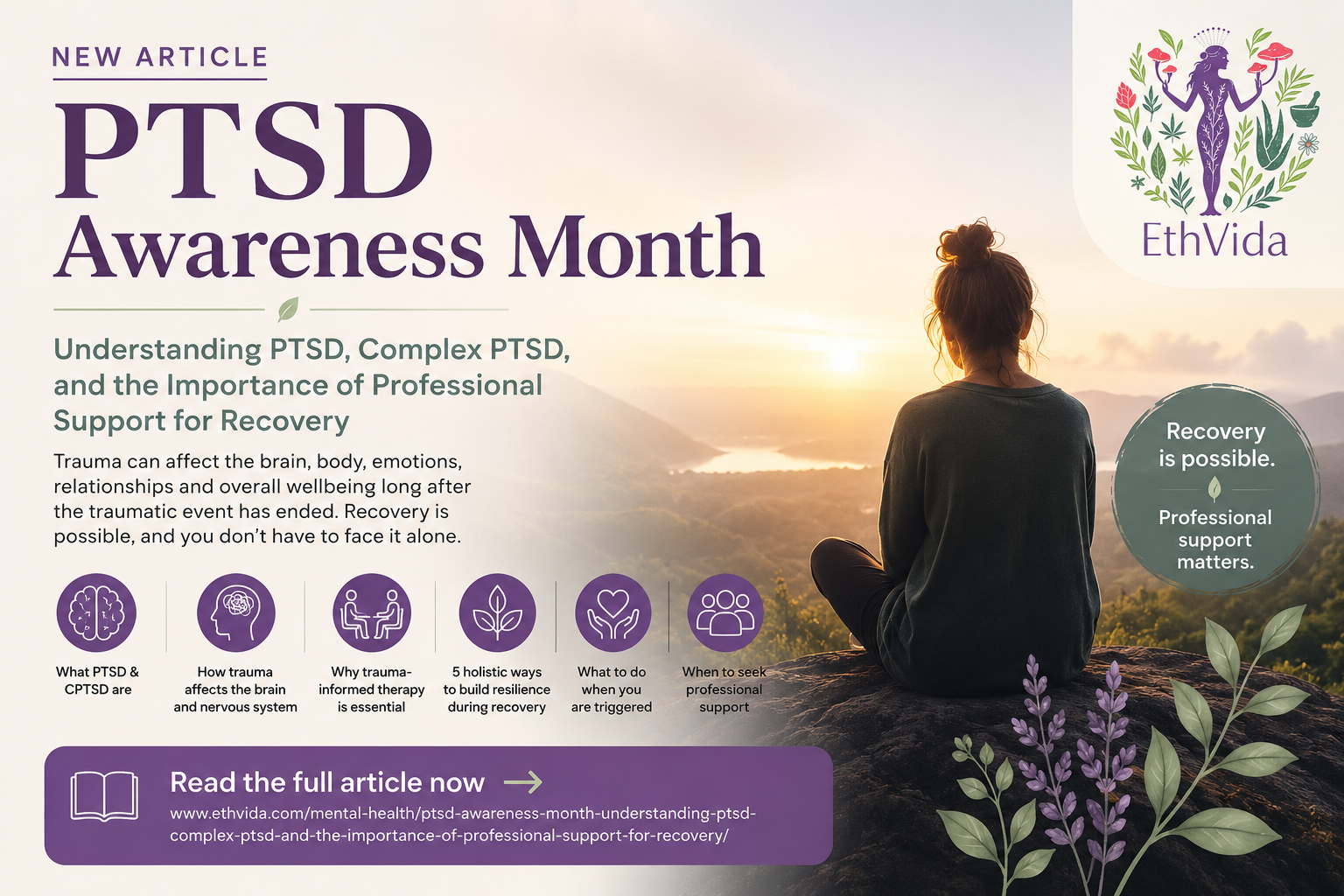
Each year, PTSD Awareness Month provides an opportunity to increase public understanding of Post-Traumatic Stress Disorder (PTSD), reduce stigma surrounding trauma-related mental health conditions, and encourage individuals to seek appropriate support. Despite growing awareness of mental health, many misconceptions about PTSD continue to exist. Some people believe PTSD only affects military personnel or individuals who have experienced extreme events. Others assume that people should simply “move on” from traumatic experiences with enough time and willpower. These beliefs are not supported by evidence and can prevent people from accessing the support they need.
Trauma is a widespread public health issue that affects individuals, families, workplaces, and communities. People can experience trauma following a single distressing event, such as a serious accident or assault, or through repeated exposure to traumatic experiences over time. While many individuals gradually recover following trauma, others may develop ongoing symptoms that significantly affect their emotional wellbeing, physical health, relationships, employment, education, and quality of life.
PTSD is not a sign of weakness, personal failure, or a lack of resilience. It is a recognised mental health condition that can develop when the brain and body continue responding to a traumatic event long after the danger has passed. Recovery is possible, but PTSD is not something people should be expected to manage alone. Professional support, particularly from a trauma-informed therapist, is one of the most important factors in recovery.
Alongside professional treatment, holistic wellbeing practices can help strengthen resilience, support emotional and physical health, and improve overall wellbeing. However, it is important to understand that holistic approaches are designed to complement professional treatment, not replace it. PTSD and Complex PTSD require professional assessment, evidence-based treatment, and ongoing support.
What is PTSD?
Post-Traumatic Stress Disorder (PTSD) is a mental health condition that may develop after a person experiences, witnesses, or is exposed to a traumatic event. While it is normal to feel distressed, fearful, anxious, or overwhelmed after a traumatic experience, PTSD occurs when symptoms persist and begin to significantly interfere with daily life.
Traumatic experiences can challenge a person’s sense of safety, trust, predictability, and control. Following trauma, the brain and body are designed to activate survival responses that help protect us from danger. In many cases, these responses gradually settle once the threat has passed. However, for some individuals, the nervous system remains stuck in a heightened state of alertness, causing the body and brain to continue responding as though danger is still present.
PTSD can affect how a person thinks, feels, behaves, and interacts with others. It can also affect physical health, sleep, concentration, memory, emotional regulation, and overall wellbeing.
Experiences that may contribute to PTSD include:
- Physical, emotional, or sexual abuse
- Domestic and family violence
- Serious accidents or injuries
- Natural disasters
- Military combat and conflict
- Medical trauma
- Sudden bereavement
- Workplace trauma
- Community violence
- Repeated exposure to traumatic incidents through professional roles such as emergency services, healthcare, or frontline response work
Not everyone who experiences trauma will develop PTSD. However, when symptoms persist and begin affecting a person’s ability to function, professional assessment and support are essential.
How Trauma Affects the Brain and Body
To understand PTSD, it is important to understand how trauma affects the brain and nervous system.
Human beings are biologically programmed to respond to danger. When a threat is detected, the body’s survival system activates automatically. This process, commonly known as the fight, flight, freeze, or fawn response, prepares the body to respond to danger. Stress hormones are released; heart rate increases, breathing changes, and attention becomes focused on survival.
For many people, these responses naturally settle once the danger has passed. However, traumatic experiences can sometimes disrupt the brain’s ability to recognise that the threat is over. As a result, the nervous system may continue operating as though danger remains present.
This can lead to ongoing symptoms such as hypervigilance, anxiety, emotional overwhelm, sleep difficulties, physical tension, and heightened reactions to reminders of the traumatic event. Certain sights, sounds, smells, places, conversations, or situations may trigger intense emotional or physical reactions because the brain associates them with the original trauma.
PTSD is therefore much more than a difficult memory. It is a condition that affects the brain, body, emotions, behaviour, and nervous system.
Common symptoms may include:
- Intrusive memories
- Flashbacks
- Nightmares
- Hypervigilance
- Difficulty concentrating
- Sleep disturbances
- Emotional distress
- Feelings of detachment
- Physical symptoms such as headaches, fatigue, digestive issues, and muscle tension
These symptoms are recognised trauma responses and should never be viewed as a personal failing.
Understanding Complex PTSD (CPTSD)
While many people are familiar with PTSD, awareness of Complex Post-Traumatic Stress Disorder (CPTSD) remains limited.
Complex PTSD typically develops following prolonged, repeated, or ongoing trauma, particularly when a person experiences a sense of powerlessness, entrapment, or an inability to escape the situation. Unlike PTSD, which may develop following a single traumatic event, CPTSD is often associated with repeated trauma occurring over months or years.
Examples may include childhood abuse, neglect, prolonged domestic violence, coercive control, human trafficking, torture, captivity, or growing up in environments characterised by chronic fear and instability.
Individuals with CPTSD experience many of the symptoms associated with PTSD, including flashbacks, avoidance, nightmares, and hypervigilance. However, CPTSD also affects emotional regulation, self-identity, relationships, and a person’s overall sense of self.
People living with CPTSD may experience:
- Persistent feelings of shame, guilt, or worthlessness
- Difficulty managing emotions
- Chronic feelings of emptiness
- Problems trusting others
- Relationship difficulties
- Feelings of disconnection from themselves or others
- A deeply negative self-image
Because CPTSD often develops through prolonged interpersonal trauma, treatment frequently involves rebuilding safety, self-worth, emotional regulation, and healthy relationships. Trauma-informed therapy is particularly important for individuals living with CPTSD.
Why Trauma-Informed Therapy Is Essential
One of the most important messages during PTSD Awareness Month is that PTSD and CPTSD require professional support.
Many people attempt to manage symptoms on their own for months or even years. While self-care practices may provide temporary relief, they cannot address the underlying effects of trauma in the way specialised treatment can.
Trauma-informed therapy recognises the widespread impact of trauma and understands how traumatic experiences influence behaviour, emotions, relationships, and physical health. A trauma-informed therapist works to create an environment of safety, trust, collaboration, and empowerment.
Professional treatment may include:
- Trauma-Focused Cognitive Behavioural Therapy (TF-CBT)
- Eye Movement Desensitisation and Reprocessing (EMDR)
- Somatic therapies
- Evidence-based trauma interventions
- Psychiatric support when appropriate
- Integrated treatment for co-occurring mental health conditions
Seeking professional help is not a sign of weakness. It is one of the most important and evidence-based steps a person can take toward recovery.
It is also important to recognise that healing from trauma is not simply about talking about difficult experiences. Effective treatment helps individuals process trauma safely, develop healthy coping strategies, strengthen emotional regulation skills, and rebuild a sense of safety and control.
PTSD cannot be effectively managed through self-help strategies alone. Professional support is crucial.
Top 5 Holistic Ways to Build Resilience During Recovery
Holistic wellbeing strategies can play an important role in supporting recovery. However, it is essential to understand their purpose.
Holistic approaches do not treat PTSD or CPTSD. They do not replace therapy, psychological treatment, medical care, or crisis support. Instead, they help strengthen resilience, support overall wellbeing, and improve a person’s ability to engage in recovery.
1. Establish Consistent Daily Routines
Trauma often disrupts a person’s sense of safety and predictability. Creating structure through consistent daily routines can help support nervous system regulation and provide a greater sense of stability.
This may include maintaining regular sleep schedules, eating balanced meals, creating healthy boundaries, and developing achievable daily goals.
Over time, consistent routines can help rebuild a sense of control and predictability.
2. Prioritise Physical Health and Movement
Trauma affects both the mind and the body. Many people carry physical tension associated with prolonged stress and hypervigilance.
Regular movement can support overall wellbeing, improve sleep, reduce stress, and help regulate the nervous system.
Activities may include walking, swimming, stretching, yoga, Tai Chi, cycling, or other forms of movement that feel safe and manageable.
The goal is not intense exercise but sustainable activity that supports overall health.
3. Strengthen Safe Social Connections
Trauma often leads to isolation. Many individuals withdraw from relationships because they feel overwhelmed, misunderstood, or emotionally exhausted.
Supportive relationships can provide emotional safety, encouragement, and connection during recovery.
This may involve maintaining contact with trusted friends and family members, joining peer support groups, participating in community activities, or connecting with professional support services.
Healing often occurs within safe and supportive relationships.
4. Prioritise Rest and Sleep
Sleep disturbances are among the most common symptoms experienced by people living with PTSD and CPTSD.
Improving sleep habits can support emotional regulation, concentration, physical health, and overall wellbeing.
Helpful strategies may include creating a consistent bedtime routine, limiting caffeine later in the day, reducing screen use before sleep, and discussing persistent sleep difficulties with a healthcare professional.
5. Practise Grounding and Mind-Body Awareness
Grounding techniques can help people reconnect with the present moment when they feel overwhelmed by trauma-related symptoms.
Examples include mindful breathing, sensory awareness exercises, progressive muscle relaxation, gentle stretching, spending time in nature, and mindfulness practices.
These techniques help strengthen self-awareness and emotional regulation. They support resilience but should always be viewed as complementary to professional treatment.
What To Do When You Are Triggered
A trigger is something that reminds the brain of a traumatic experience and activates the body’s survival response. Triggers may be obvious or subtle and can include sounds, smells, locations, people, conversations, anniversaries, images, or situations.
When triggered, a person may experience:
- Panic
- Flashbacks
- Racing thoughts
- Increased heart rate
- Sweating
- Shaking
- Emotional overwhelm
- Dissociation
- A strong urge to escape the situation
When this occurs, it is important to focus first on safety and regulation.
Step 1: Remind Yourself That You Are Safe
Pause and acknowledge what is happening.
Remind yourself:
“I am safe right now.”
“This is a trauma response.”
“The traumatic event is not happening again.”
“This feeling will pass.”
Step 2: Ground Yourself in the Present
Use grounding techniques to reconnect with your surroundings.
The 5-4-3-2-1 method can be helpful:
- Identify 5 things you can see
- Identify 4 things you can touch
- Identify 3 things you can hear
- Identify 2 things you can smell
- Identify 1 thing you can taste
Focus on your breathing and orient yourself to your environment.
Step 3: Reach Out for Support
Once the immediate response has reduced, contact a trusted support person, healthcare professional, or therapist.
You do not need to cope with distress alone.
Step 4: Contact a Helpline
If you continue to feel overwhelmed, unsafe, or unable to cope, contact a mental health helpline or crisis support service immediately.
Trained professionals can provide immediate guidance and support.
Step 5: Seek Emergency Assistance if Required
If you are at immediate risk of harm, believe someone else is at risk, or are experiencing a mental health emergency, contact emergency services or attend the nearest emergency department immediately.
Your safety is the priority.
Recovery Is Possible
Recovery from PTSD and CPTSD is possible.
With trauma-informed therapy, appropriate healthcare support, strong social connections, and evidence-based treatment, many people experience significant improvements in their wellbeing and quality of life.
Recovery does not mean forgetting what happened. Rather, it involves learning to process traumatic experiences, reduce the impact of symptoms, rebuild a sense of safety, and reconnect with meaningful aspects of life.
While holistic wellbeing practices can help strengthen resilience and support recovery, they cannot replace professional treatment. PTSD and CPTSD require specialised support from qualified professionals.
The most important step anyone experiencing symptoms of trauma can take is to seek help from a trauma-informed therapist or healthcare provider.
No one should be expected to face trauma alone. Support is available, recovery is possible, and help should be sought as early as possible.
Key Message
Holistic wellbeing practices can play an important role in supporting recovery by strengthening resilience, improving overall wellbeing, and helping individuals engage more effectively in treatment. However, they do not treat PTSD or Complex PTSD (CPTSD) and should never be viewed as a replacement for professional care.
PTSD and CPTSD are recognised mental health conditions that can have significant impacts on emotional, psychological, physical, and social wellbeing. Recovery is possible, but it requires appropriate support. Seeking help from a trauma-informed therapist, healthcare professional, or specialist support service is one of the most important steps a person can take towards healing and recovery.
If you are experiencing symptoms of trauma, reach out for support. Early intervention can reduce the long-term impact of trauma, improve recovery outcomes, and help individuals regain a sense of safety, stability, and hope. No one should be expected to face PTSD or CPTSD alone, and help is available.
References
- American Psychiatric Association. (2022). Diagnostic and Statistical Manual of Mental Disorders (5th ed., text rev.; DSM-5-TR). American Psychiatric Publishing.
- Bisson, J. I., Roberts, N. P., Andrew, M., Cooper, R., & Lewis, C. (2013). Psychological therapies for chronic post-traumatic stress disorder (PTSD) in adults. Cochrane Database of Systematic Reviews, (12), CD003388. https://doi.org/10.1002/14651858.CD003388.pub4
- Centers for Disease Control and Prevention. (2024). Coping with a traumatic event. CDC. https://www.cdc.gov
- Cloitre, M., Garvert, D. W., Brewin, C. R., Bryant, R. A., & Maercker, A. (2013). Evidence for proposed ICD-11 PTSD and complex PTSD: A latent profile analysis. European Journal of Psychotraumatology, 4(1), 20706. https://doi.org/10.3402/ejpt.v4i0.20706
- Department of Veterans Affairs. (2024). National Center for PTSD. U.S. Department of Veterans Affairs. https://www.ptsd.va.gov
- Herman, J. L. (1992). Trauma and Recovery: The Aftermath of Violence—From Domestic Abuse to Political Terror. Basic Books.
- International Society for Traumatic Stress Studies. (2024). Posttraumatic Stress Disorder Prevention and Treatment Guidelines. ISTSS. https://istss.org
- Karatzias, T., Hyland, P., Bradley, A., Cloitre, M., Roberts, N. P., Bisson, J. I., & Shevlin, M. (2019). Risk factors and comorbidity of ICD-11 PTSD and complex PTSD: Findings from a trauma-exposed population based sample. Depression and Anxiety, 36(9), 887–894.
- National Health Service. (2024). Post-traumatic stress disorder (PTSD). NHS. https://www.nhs.uk
- National Institute for Health and Care Excellence. (2018). Post-traumatic stress disorder (NICE Guideline NG116). NICE. https://www.nice.org.uk/guidance/ng116
- Porges, S. W. (2011). The Polyvagal Theory: Neurophysiological Foundations of Emotions, Attachment, Communication, and Self-Regulation. W. W. Norton & Company.
- Substance Abuse and Mental Health Services Administration. (2014). SAMHSA’s Concept of Trauma and Guidance for a Trauma-Informed Approach. HHS Publication No. (SMA) 14-4884. U.S. Department of Health and Human Services.
- van der Kolk, B. A. (2014). The Body Keeps the Score: Brain, Mind, and Body in the Healing of Trauma. Viking.
- World Health Organization. (2019). International Classification of Diseases 11th Revision (ICD-11): Complex Post Traumatic Stress Disorder. World Health Organization. https://icd.who.int
- World Health Organization. (2022). Mental Health and Psychosocial Support Resources. World Health Organization. https://www.who.int
- World Health Organization. (2022). Guidelines for the Management of Conditions Specifically Related to Stress. World Health Organization.
Additional Government and Public Health Resources
Australian Government Department of Health and Aged Care. (2024). Trauma-informed care and mental health resources. Australian Government.
Beyond Blue. (2024). Understanding PTSD and trauma. https://www.beyondblue.org.au
Blue Knot Foundation. (2024). Complex Trauma, Trauma-Informed Practice and Recovery Resources. https://www.blueknot.org.au
Mental Health Foundation. (2024). Trauma and Mental Health. https://www.mentalhealth.org.uk
Mind. (2024). Post-traumatic stress disorder (PTSD). https://www.mind.org.uk
Phoenix Australia – Centre for Posttraumatic Mental Health. (2024). Australian Guidelines for the Prevention and Treatment of Acute Stress Disorder, PTSD and Complex PTSD. https://www.phoenixaustralia.org
Public Health England. (2021). Trauma-informed practice resources and guidance. UK Government.
Scottish Government. (2021). Transforming Psychological Trauma: A Knowledge and Skills Framework for the Scottish Workforce. Scottish Government.
Veterans Affairs Canada. (2024). Operational Stress Injuries and PTSD Resources. Government of Canada.


