
When every day comes with its own challenges, it’s very hard to remember that we’re human first and ‘disabled’ second, especially where we may have limitations; and yes, we might consider ourselves disabled from time to time, but we’re not dead!
We always strongly advise and advocate a holistic healthcare approach, which includes social interactions. Sadly, in some cases, there are limitations as to what kind of social situations you can find yourself in, which can often be isolating, particularly for people who want to live life to the fullest!!!
So schuh!!!!! Come closer while I fill you in on a little secret….

Did you know it’s actually possible, to go out and be comfortable?
Are you as surprised as I was to hear this?
For some of us, whether its for mental health or physical health reasons, the thought of going out, can be daunting, as we are predominantly, in consent worry of how our surroundings would further aggravate our health of trigger any symptoms. Therefore, we have become accustomed to isolation, resulting in loneliness and contributing to a decline in our wellbeing.
The ONS in 2019, reported the following statistics, when it comes to disability and wellbeing, in comparison to person without additional support needs. (please note we are using legal definitions, with regards to disabilities, remember, we’re not handicapped, we’re Handicapable!! pun intended 😉)
- Disabled people’s average ratings are lower than those for non-disabled people for happiness, worthwhile and life satisfaction measures.
- Average anxiety ratings are higher for disabled people at 4.27 out of 10, compared with 2.66 out of 10 for non-disabled people.
- Disabled people with a mental impairment as a main health problem have the poorest well-being ratings.
- Disabled people whose impairments affect them more severely have poorer well-being ratings than disabled people whose impairments affect them less severely.
- The proportion of disabled people (13.3%) who report feeling lonely “often or always” is almost four times that of non-disabled people (3.4%), with the greatest disparity for young adults, aged 16 to 24 years old.[1]
[1] Office for National Statistics (ONS): Disability, well-being and loneliness, UK – Office for National Statistics (ons.gov.uk)
Introducing the Access Card!!!
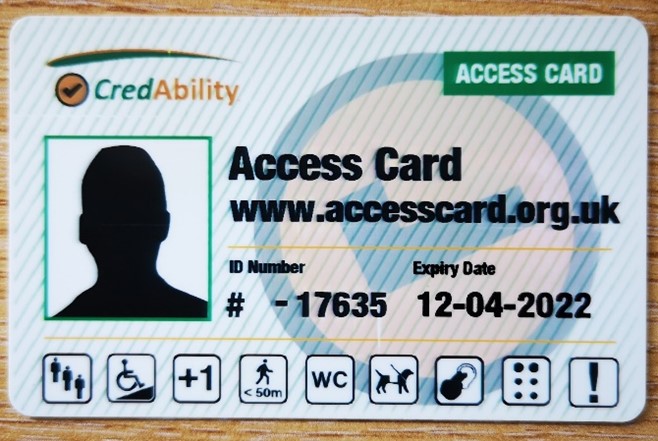
Although the idea of taking the next step is scary, it’s important that you do not become another statistic, and start putting strives towards taking the leap. The Access Card is a way to aid you in rediscovering yourself, and finding new comfortable passions too, but most importantly, it gets you out of the house and socialising with your loved ones. Always remember “Life, starts at the end of our comfort zone”
What is an Access Card?
The access card was designed to offer less able-bodied people, greater accessibility and ease in their lives. This is a physical ID card can that communicate your support needs, via symbols to events & venues, to ensure tour needs are discreetly met.
Who does it apply to: –
- People with a chronic illness that is likely to continue impacting them over the next 6 months to a year (generally a year)
- People who are able to evidence, via medical records or a letter from your doctor, that your chronic illness impacts your day-to-day life
If approved, it costs £15 for the card; for the duration of 3 years, and then your needs are assessed, by the assessment team contracted out to Nimbus.
How to use your Card?

The card can be used anywhere where you see the access card symbol (above), or any of the locations listed on their website. On the card, there can be up to 9 symbols, which translates your access needs, eliminating the need for explanation, which at times can be embarrassing for people to have to communicate.
Symbols meanings
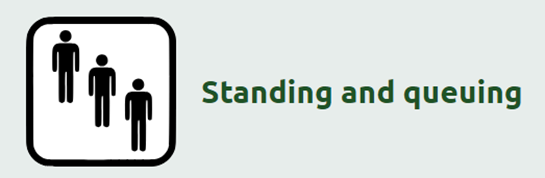
- For people who struggle to stand or queue for a long time.
- For people who struggle to stand for any period of time.
- For people who struggle to understand queues.
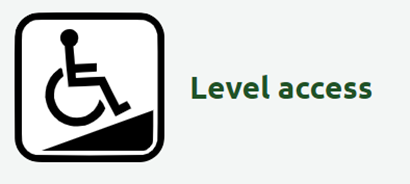
- For people with wheelchair accessibility needs
- For people who cannot take the stairs, includes 1 step
- Enables them to skip the queue
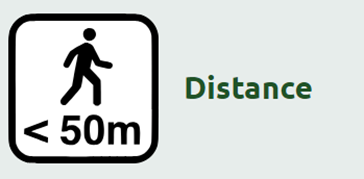
If your unable to move more than short distances

- Have access to accessible toilets
- This also means staff need to let you use any toilet, at any time (it is safe), without questions -> to support people with continence issues
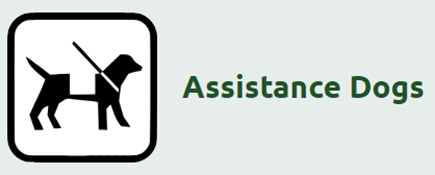
- For people who require a service dog
- They must have evidence the dog has completed its necessary trainings
Please note, this does not include emotional support animals, however some venues allow you to use the +1-companion symbol, please confirm with venue.
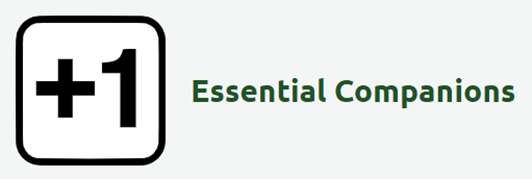
- For people who need another person to help them access venues
- Where you have booked an event, you can get a companion ticket for free, with this symbol
- Not applicable to children
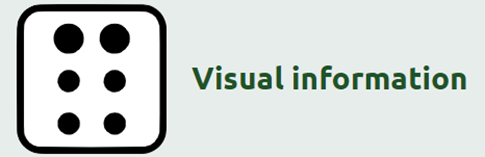
For people with visual barriers, informing the venue you need all your information in braille
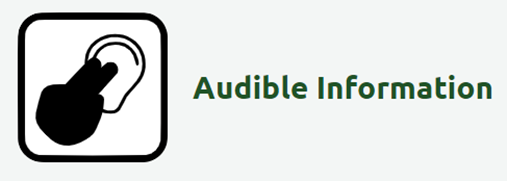
- For people who have trouble processing audible information
- Could be relevant to deaf people, or people with other hearing impairments

- For people who require support but may not meet the needs listed above
- This symbol is also a trigger message, to ask for any accidental slips you may have: fainting spells, sleeping spells, epilepsy etc.
For more information on how to understand the symbols, and some of the criteria, please visit: Access Card: Making access easy.
Finding a Provider
Now it is important to note, that all locations in the UK have an access card scheme, however the UK has partnered up with 1, 864 organisations nationwide that support the access scheme. Between you and I, a lot of places support it, from venues, restaurants, shops, cinemas, theatre, amusement parks, airports and they are also recognised internationally, please review their international maps.
To find a provider, visit here: Access Card: Making access easy, each location outlines how they meet your needs, please bare in mind, depending on the nature of the venues.
What don’t they tell you?
- Each venue/location is unique, so they may not meet all your access requirements please double check if they meet all your requirements
- Some venues, such as cinema, theatre, amusement parks, concerts and generally where there will be large gatherings (or not), often have their own internal processes, which requires you to contact them a minimum of 2 weeks in advance to make arrangements. The venue website usually outlines all the necessary steps and are generally quite helpful.
How to Apply?
Fill in the online form here: Access Card – application form, please note you will be contacted by Nimbus, who do all the assessments and asked to fill out additional paperwork. They will also request, medical evidence of anything outlined in your application.
The website has outlined the following disclaimers: –
- Not all people that need a level of support reach the threshold of legally being entitled to adjustments such as free/reduced rate companion tickets
- Not all people that use an accessible toilet will qualify for the WC symbol
- Not all assistance dogs reach the threshold of evidencing an appropriate level of training to say that they can perform their jobs in otherwise hostile environments
- People that can stand and queue but face other barriers that might otherwise make queuing difficult might find their needs represented with symbols and adjustments other than the standing and queuing symbol[1]
[1] The Access Card: Access Card – application form
Conclusion
Taking care of our wellbeing, is our responsibility as patients, and although it can be hard, exhausting, and at times even feels pointless, but the long-term benefits gained to your health and wellbeing are worth the efforts!!
Take Away!
A key thing people forget, is when you are socializing with the right people, you are generally laughing, and laughter is the best medicine!
Did you know laughter offers the following health benefits: –
- Reduces stress
- Improves mental health
- Reduces pain and discomfort
- Strengthened lungs
- Boosts immunity
- Promotes Heart health
- Aids with Gut health
- Mini Workout
To learn more about the benefits of laughing, please visit here: Is Laughing Good for You? 6 Health Benefits of Laughter (verywellhealth.com)
Disclaimer – Please note, all advice given is based on various healthcare models that have been proven to support patients with sustainability and backed by Public Health England (PHE). Nonetheless, you should run any changes to your routine by your GP as they are your primary carer, it is also important that any other healthcare professionals involved in your care is involved in your goal planning. Don’t forget they hold your medical records and would be familiar with you; this will help everyone to be on the same page and will also enable you to plan more realistically and not overestimate your capacity!
References
- The Access Card (official site): Access Card: Making access easy
- Office for National Statistics (ONS): Disability, well-being and loneliness, UK – Office for National Statistics (ons.gov.uk)
- Very Well Health: Is Laughing Good for You? 6 Health Benefits of Laughter (verywellhealth.com)


23 April 2025, 12:20 pm
Very good https://shorturl.at/2breu
24 April 2025, 1:24 am
Awesome https://shorturl.at/2breu
25 April 2025, 5:46 am
Good https://lc.cx/xjXBQT
26 April 2025, 8:18 pm
Good https://t.ly/tndaA
27 April 2025, 2:08 am
Very good https://t.ly/tndaA
29 April 2025, 12:16 pm
Awesome https://is.gd/N1ikS2
30 April 2025, 1:26 am
Very good https://is.gd/N1ikS2
30 April 2025, 2:59 am
Awesome https://is.gd/N1ikS2
30 April 2025, 3:59 pm
Very good https://is.gd/N1ikS2
1 May 2025, 1:58 pm
Awesome https://is.gd/N1ikS2
25 May 2025, 7:24 am
https://shorturl.fm/FIJkD
27 May 2025, 7:11 pm
https://shorturl.fm/oYjg5
27 May 2025, 11:50 pm
https://shorturl.fm/FIJkD
28 May 2025, 5:21 am
https://shorturl.fm/oYjg5
29 May 2025, 3:10 pm
https://shorturl.fm/j3kEj
1 June 2025, 1:02 pm
https://shorturl.fm/hQjgP
12 July 2025, 12:16 pm
Monetize your audience—become an affiliate partner now! https://shorturl.fm/i8PuL
20 July 2025, 6:31 am
Partner with us and enjoy recurring commission payouts! https://shorturl.fm/2vqqT
29 January 2026, 6:09 am
Thanks for sharing. I read many of your blog posts, cool, your blog is very good.