Dietary Guidance for Individuals Living with Chronic Physical and Mental Health Conditions

Introduction
Living with a long-term physical or mental health condition can affect nearly every aspect of daily life. Many individuals experience ongoing fatigue, reduced motivation, pain, low mood, anxiety, and difficulties with concentration or sleep. These challenges can make it harder to maintain routines, including regular eating patterns and balanced nutrition.
Nutrition plays a fundamental role in supporting both physical health and mental wellbeing. What we eat can influence energy levels, inflammation, mood stability, and the body’s ability to cope with stress. While diet alone is not a treatment for chronic illness, it can be a powerful supportive tool when used alongside medical and psychological care.
A low-carbohydrate, high-protein diet focuses on reducing foods that cause rapid changes in blood sugar, such as refined carbohydrates and sugary foods, while increasing protein intake to support the body and brain. This approach aims to provide sustained energy, improved satiety, and better emotional regulation. Importantly, this is a flexible approach that can be adapted to individual needs, abilities, and preferences.
Benefits of a Low-Carbohydrate, High-Protein Diet
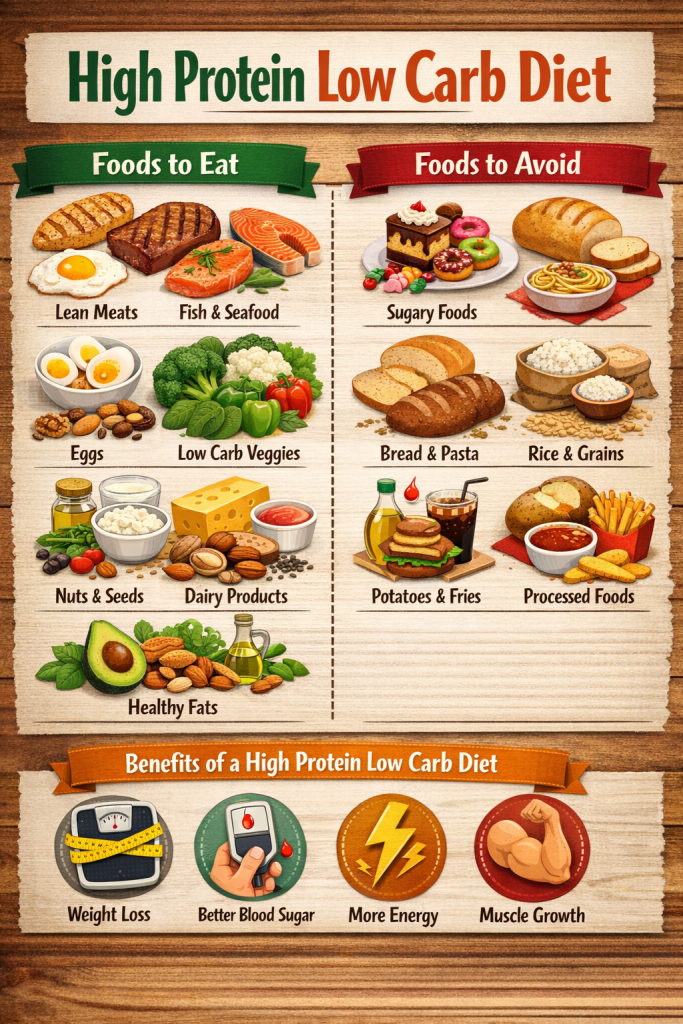
Physical Health Benefits
Maintaining stable blood sugar levels is particularly important for individuals living with chronic illness. Diets high in refined carbohydrates can lead to rapid spikes and subsequent crashes in blood sugar, which may worsen fatigue, weakness, dizziness, and irritability. Reducing carbohydrate intake may help smooth out these fluctuations.
Protein plays a critical role in muscle maintenance and repair. Chronic illness, reduced mobility, or prolonged periods of low activity can contribute to muscle loss and physical weakness. Adequate protein intake helps preserve muscle strength and supports physical functioning, which is essential for independence and quality of life.
A higher-protein diet may also support immune function and healing. Protein provides the building blocks needed for tissue repair and immune responses. For individuals managing long-term health conditions, supporting the immune system can be particularly beneficial.
Some individuals also report reduced inflammation and pain when processed carbohydrates and sugars are limited. While responses vary, reducing inflammatory foods may contribute to improved comfort and mobility over time.
Mental Health Benefits
The brain relies on a steady supply of nutrients to function effectively. Rapid changes in blood sugar can influence mood, concentration, and emotional regulation. A low-carbohydrate diet may help reduce mood swings, irritability, and episodes of low energy linked to blood sugar instability.
Protein is essential for the production of neurotransmitters such as serotonin, dopamine, and norepinephrine. These chemicals play a key role in mood regulation, motivation, focus, and emotional balance. Ensuring adequate protein intake can therefore support mental clarity and psychological wellbeing.
Regular meals that include sufficient protein can also help reduce physical sensations of anxiety, such as shakiness, light-headedness, or palpitations, which are sometimes triggered by hunger or low blood sugar. This can be particularly helpful for individuals living with anxiety disorders.
Balanced nutrition may also contribute to improved sleep quality. Stable blood sugar and adequate nutrient intake can support the regulation of appetite and stress hormones, which in turn may promote more restful and consistent sleep patterns.
Promotes Ketosis and Cellular Repair
When carbohydrate intake is reduced, the body gradually shifts away from using glucose (sugar) as its primary source of energy. Under usual dietary conditions, carbohydrates are broken down into glucose, which is then used by the body and brain for fuel. Any excess glucose is stored as glycogen or fat.
With a low-carbohydrate intake, glucose availability decreases. As a result, the body begins to look for an alternative fuel source. This metabolic shift encourages the liver to convert stored fat into molecules called ketones. This process is known as ketosis.
Ketones are a highly efficient energy source for both the brain and the body. Once ketosis is established, many individuals experience more stable energy levels, reduced hunger, and improved mental clarity. This is because ketone production is steady and does not cause the rapid rises and falls in energy often associated with carbohydrate-based diets.
Benefits of Ketosis for Physical and Mental Health
One of the key benefits of ketosis is improved metabolic stability. By relying on fat and ketones for fuel, the body avoids frequent blood sugar fluctuations. This can be particularly helpful for individuals who experience fatigue, brain fog, mood swings, or irritability related to unstable blood sugar levels.
Ketosis may also reduce systemic inflammation. Chronic inflammation is commonly associated with long-term physical illness, pain conditions, and some mental health disorders. Lower insulin levels and reduced intake of processed carbohydrates may help calm inflammatory pathways in the body.
For mental wellbeing, ketones provide a consistent energy source for the brain. Some individuals report improvements in focus, emotional regulation, and cognitive endurance. Ketones may also support the balance of neurotransmitters involved in mood and stress response, which can be beneficial for people living with anxiety, depression, or mood instability.
Ketosis and Cellular Repair
Reduced carbohydrate intake and periods of ketosis are associated with the activation of a natural cellular process known as autophagy. Autophagy is the body’s internal “clean-up” system, where damaged or inefficient cells and cellular components are broken down and recycled.
This process supports cell repair and renewal, allowing the body to function more efficiently at a cellular level. Autophagy is particularly important for long-term health, immune function, and recovery from illness or stress.
By lowering insulin levels and reducing constant energy intake from carbohydrates, the body is given an opportunity to focus on maintenance and repair rather than continuous digestion and storage. This may support tissue repair, improved metabolic health, and resilience over time.
Supporting Long-Term Health
It is important to note that ketosis does not require extreme restriction or prolonged fasting. Many individuals experience benefits from simply reducing refined carbohydrates and increasing protein and healthy fats in a balanced way.
For people living with chronic physical or mental health conditions, gentle and sustainable nutritional changes are key. Ketosis should be approached flexibly and with appropriate medical guidance where needed, especially for those with underlying health conditions.
Suggested Food Choices
High-Protein Foods
Including protein at each meal and snack helps maintain steady energy throughout the day. Animal-based protein sources such as poultry, fish, lean meats, and eggs are rich in essential amino acids and are generally well absorbed by the body.
Dairy products, including Greek yoghurt, cottage cheese, and cheese, can provide convenient protein options for those who tolerate them well. These foods may be particularly helpful during periods of low energy due to minimal preparation requirements.
Plant-based protein sources such as lentils, chickpeas, tofu, and tempeh can also contribute meaningfully to protein intake. These options are suitable for individuals following vegetarian or flexitarian diets and provide additional fibre and micronutrients.
Low-Carbohydrate Vegetables
Vegetables play an essential role in providing vitamins, minerals, and fibre. Low-carbohydrate vegetables allow individuals to gain these benefits without significantly impacting blood sugar levels.
Leafy greens and cruciferous vegetables are particularly nutrient-dense and may support digestive and immune health. Including a variety of colours and types can help ensure a broad range of nutrients.
Frozen, tinned, or pre-prepared vegetables can be just as nutritious as fresh options and may be more manageable for individuals experiencing fatigue or limited mobility.
Healthy Fats
Healthy fats are an important component of this dietary approach. Fats provide a concentrated source of energy and are essential for hormone production and brain health.
Sources such as olive oil, avocados, nuts, seeds, and oily fish can support heart and brain function. Including fats alongside protein and vegetables can also enhance satiety and make meals more satisfying.
Portion awareness is important, but fats should not be avoided, as they play a crucial role in overall health and wellbeing.
Foods to Limit
Highly processed foods and those high in refined sugars and carbohydrates can contribute to energy crashes, inflammation, and mood fluctuations. Reducing, rather than completely eliminating, these foods can help create a more sustainable approach.
It is important to avoid overly restrictive thinking around food. Occasional enjoyment of these foods can be part of a balanced lifestyle and supports emotional wellbeing.
Meal Suggestion Chart
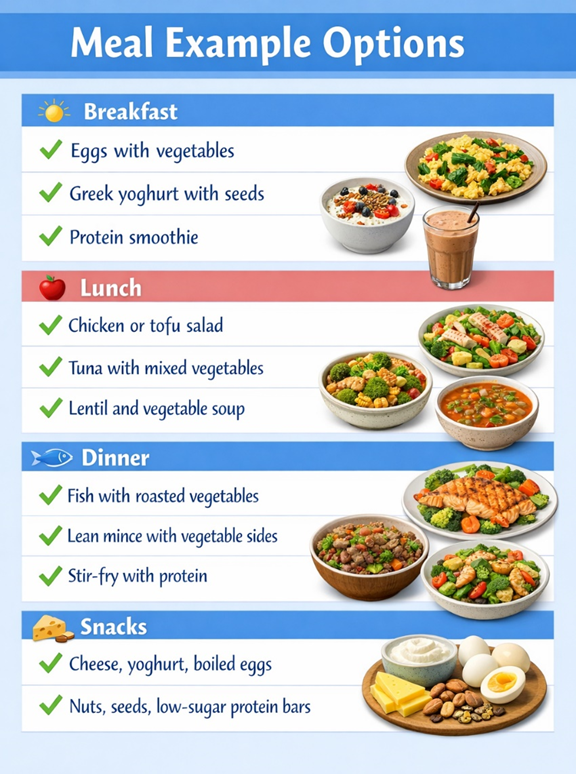
Tips & Tricks for Living with Chronic Illness
Managing nutrition alongside chronic illness can be challenging, particularly during flare-ups or periods of low mood. Keeping meals simple and realistic can reduce stress and increase consistency. Preparing food in advance during higher-energy periods can help ensure nourishing options are available when energy is limited. Repeating meals that are well tolerated can also reduce decision fatigue. Listening to the body is essential. Appetite, tolerance, and energy levels may vary day to day. Smaller, more frequent meals may be more manageable during periods of fatigue or nausea.
Mental health should always be considered alongside dietary changes. Rigid rules and perfectionism can increase anxiety and feelings of failure. A compassionate and flexible approach is more likely to support long-term wellbeing.
Important Considerations
This dietary approach is not suitable for everyone and should be adapted to individual needs. Certain medical conditions, such as diabetes, kidney disease, or a history of eating disorders, require professional guidance. Changes in diet can sometimes affect medication needs or symptom presentation. Individuals are encouraged to seek advice from a healthcare professional if unsure.
***Clinical recommendations should be personalised, ideally reviewed by dietitians or healthcare professionals, especially with chronic conditions***
Thank you for taking the time to focus on your nutritional wellbeing.
References
Daley SF, Masood W, Annamaraju P, Khan Suheb Z.
The Ketogenic Diet: Clinical Applications, Evidence-based Indications, and Implementation.
StatPearls; Updated Dec 13 2025.
Overview of ketosis mechanisms, metabolic effects and clinical applications. (NCBI)
Barrett et al. (2024) – Meta-analysis on ketogenic diets and inflammation
Found that ketogenic diets lower inflammatory markers like TNF-α and IL-6, partly due to ketosis itself and reduced simple sugars. (MDPI)
StatPearls (NCBI) – Inflammation and metabolic effects of ketogenic diets
Notes reductions in metabolic risk markers such as LDL, blood pressure, and triglycerides in controlled studies. (NCBI)
Dietch DM, Kerr-Gaffney J, et al. (2023)
Efficacy of low carbohydrate and ketogenic diets in mood and anxiety disorders: systematic review. BJPsych Open.
Suggests some evidence (not high-quality yet) that low-carb and ketogenic approaches may have mood benefits. (PubMed)
El Karkafi R, et al. (2023)
Ketogenic Diet and Inflammation: Implications for Mood and Anxiety Disorders.
Highlights how ketosis and reduced inflammation might influence mood symptoms. (PubMed)
Medical News Today report (2026) – Observational findings
Reports that individuals on ketogenic diets often self-report improvements in mood, calmness, and reduced stress. (Medical News Today)
Health Benefits of Ketones (Weston A. Price Foundation)
Discusses how ketones and reduced glucose may promote autophagy — a cellular recycling and repair process. (westonaprice.org)
McCarty MF, DiNicolantonio JJ, O’Keefe JH (2015)
Ketosis may promote brain macroautophagy by activating Sirt1 and HIF-1. Medical Hypotheses.
Explores potential molecular pathways linking ketones to enhanced autophagy. (PubMed)
Eldakhakhny et al. (2024)
Role of low-carbohydrate, high-fat diet in modulating autophagy and oxidative stress.
In an experimental model, LCHF diets improved cellular homeostasis and reduced stress markers. (PubMed)
PubMed review (2018-ongoing) – StatPearls & KD indications
The ketogenic diet’s established use includes epilepsy and growing interest for other metabolic and neurological conditions. (PubMed)
Mood & mental health evidence is emerging; most studies are small or observational rather than definitive RCTs. (PubMed)
Ketosis and autophagy mechanisms are biologically plausible and supported in animal/experimental models, but further human research is ongoing. (PubMed)



24 April 2026, 7:03 am
https://shorturl.fm/QQyAv