
5 Way to Wellbeing
By: Berta Kaguako
Introduction
With society being more fast paced than ever, it’s important that we don’t get sucked into the vortex and take some time to prioritise ourselves and our wellbeing. The Roads to Wellbeing is an innovative model, currently being back by Public Health England (PHE), as a holistic approach to managing your overall health, and theoretically sustaining it in the future. It’s always important to remember, when making changes in your life, you would need about 12 weeks of consistency for your brain to recognise you are formulating a new habit/behaviour.
5 Ways to Wellbeing
Having a routine in your life can sound very boring but is actually a great way to form stability and pattern your brain recognises. This helps you in the long run when you are making changes, as your brain will start to normalise certain behaviours, and this will enable you to sustain them in the long run: as it becomes second nature. The roads’ to wellbeing focuses on 5 areas of your life, that require regular implementation in your lifestyle, to improve on and/or sustain your wellbeing.
The 5 ways to wellbeing focuses on: –
- Connect
- Be Active
- Take Notice
- Keep Learning
- Give
Connect
It’s so important to connect with loved ones, we live in a world where we are always on the go, and time is precious and scarce. Let’s also remember, that time with your loved ones is also precious and scarce, and once lost, can never be returned. Therefore, start ensuring that you include weekly or monthly meetings with your loved ones, particularly during of times of high stress. It is very easy to hide away and avoid interacting with loved ones, but this is the time you need it the most, as spending time with your loved ones increases dopamine (love hormone) and serotonin (happy hormone) in your system.
Here are some ways you can connect with your loved ones! Always remember to get creative and try something new, your brain will love it 😊
| Ways in which you can Connect! | |
| For able bodied people | For mobility impaired individuals |
| Dinner Movies Park Museum Theatre | Phone callVideo call Friends visit you at home Local bars & restaurants Visit friends’ houses |
| NOTE – it is always advisable, where you can, to meet people face to face. Please always assess your capabilities accordingly and seek advice from your healthcare provider if needed. | |
Be Active
Exercising is possibly one of the crucial things you can do, not only for your body, but also for your mind, as it reduces the levels of cortisol (stress hormone) in your system and regulates adrenaline. It’s recommended that you walk 30 minutes daily, or 10 thousand steps a day; this is to improve circulation and reduce your blood pressure, promoting good heart health. With somebody on a cannabis prescription, where the medication is known to have interactions with the heart and blood pressure, maintaining heart health is very important.
Exercising is also a good way of introducing hormones into the system, this would be beneficial to somebody who misused substances. As their body stopped producing hormones, due to the influx it was getting from the substance, therefore, when you stop misusing substances, they are faced with a rapid depletion in hormones and as a result are left feeling: weak, tired, mood swings, sleep disturbances, hot & cold flashes, muscle spasms/twitches and many more symptoms.
| Ways in which you can Be Active! | |
| For able bodied people | For mobility impaired individuals |
| Gym – cardio / weights Jogging (Park) Walks (Park) Swimming Boxing | Yoga / Chair Yoga (online/home) Yoga (gym – if able to) Stretching Swimming Physio exercises |
| NOTE – Please always assess your capabilities accordingly and seek advice from your healthcare provider if needed. | |
Take Notice
Its important to take a step back and take notice of what you are feeling, physically and emotionally, as this will help you to understand what the steps are to take to working towards improving your circumstances. These could be minor things, like realising your hip hurts more than usual or your snappier: this way you can analyse the situation, find the cause and work on changing the situation. Where people have gone through complex emotions or trauma, this is a lot harder to do alone, and we strongly advise you reach out to your GP or mental health service for support (please review our article on mental health awareness for support services links).
Nonetheless, it is important for everyone to understand, no matter how hard things get, don’t shy away from your feelings. We know it’s easier and people often feel if they do succumb to their emotions, they may never be able to pick themselves back up again, however the exact opposite happens and you emerge stronger and more emotionally matured, as you allowed yourself to work through that experience. It’s not an easy journey, but it is a necessary life changing journey. This all starts with understanding how you are feeling in the moment and implementing the correct coping mechanisms (for more information on coping mechanisms, please read our article on coping mechanisms).
| Ways in which you can Take Notice! |
| For everyone: |
| Journaling Writing down every emotion you feel (real time) Writing down physical symptoms you are feeling (shaky, rapid heartbeat etc) Writing short stories / poem Crying (it’s healthy, this is a process known as evacuation) Talking to loved ones (remember to speak to the people that make you feel good after a conversation, as some people can leave you feeling worse) |
| NOTE – Please always assess your capabilities accordingly and seek advice from your healthcare provider if needed. Always remember, breathing exercises are so helpful with calming yourself down, if you are having a panic attack, please see attention from a healthcare professional. |
Keep Learning
A lot of people aren’t aware that learning something new is amazing for both physical and mental health support, as you use the creative side of the brain (right side). On average people generally use the left side of the brain which is the analytic side (comprehension, speech etc). However, when you are learning something new or engaging in a hobby, you are using the right side of the brain, which is the creative side (artistic, visual, musical).
Although both sides of the brain are always active, they can’t simultaneously work at once, therefore when you are learning something new, you are using the creative part of the mind, which essentially shuts off the analytic side, allowing yourself a true break from yourself; really giving your mind a break. Using the creative side, also realises healthy hormones such as dopamine and serotonin, which is why you leave feeling really satisfied after completing a task, i.e., building a bookshelf, or working on a project.
Here are some ways you can Keep Learning! Always remember to get creative and try something new, your body will love it 😊
| Ways in which you can Keep Learning! |
| For everyone: |
| Take up a new sport / hobby Start a course / career (remember to plan accordingly, for advice/support on planning long term goals, see article on SMART planning) Learn to make something: body lotion, scrubs, automobile parts, making figurines, cooking (something you can do with your hands, is really helpful) Reading & researching new topics Learning a new self-care regime ;P |
| NOTE – Please always assess your capabilities accordingly and seek advice from your healthcare provider if needed. |
Give
You know what they say, you always find yourself in the servitude of others, and nothing rings truer than these words. Giving and helping others, promotes healthy hormones in your system, such as serotonin and dopamine, it’s all about these hormones!
Volunteering is a good way to give back, as you are also active and learning at the same time, however that’s not the only way you can give. Here are some ways you can Give!
Always remember to get creative and try something new, your body will love it 😊
| Ways in which you can Give! |
| For everyone: |
| Give somebody a compliment Give your time Do a BBQ or donner for loved ones Giving advice Donating to charity |
| NOTE – Please always assess your capabilities accordingly and seek advice from your healthcare provider or loved one, where financial decisions are involved (if needed). |
Sleep, oh marvellous sleep!
Sleep is possibly one of the important things you can do to improve on your health and wellbeing. Ironically, it is also one of the hardest things to do when you have a chronic illness or acute mental health conditions: bar the lucky few that get sleep (we are very jealous). Sleep is essential, as it allows your mind, body and soul to recharge, which helps the body function well, in order to stay healthy and fight off diseases. When you do not sleep well, your body limits its functioning, as it prioritises based on your level of energy. This means, you are not using your full potential, which can sometimes feel like you’re being lazy, but you are not, you are just tired and doing as much as your body allows you to: always remember that and listen to your body!
For people with chronic illnesses, sleep can impact their capabilities the following day, as when your body shuts down, because you are already running on less, this now decreases, and in most cases, can induce a flare up (severe manifestation of symptoms). This applies to both physical and mental health concerns. Sleep is quite complex, and there are many ways of managing sleep disturbances (please visit link below on advice and guidance on sleep). Always remember, there are various factors that contribute to your sleep, so be mindful to ensure that you give yourself time to unwind in the evenings before bed, to get a good start on getting yourself a good nights rest.
Let’s not forget Diet!
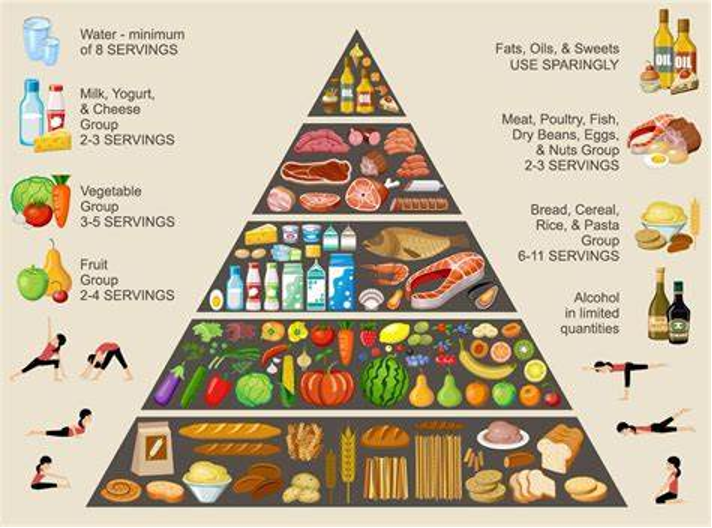
Don’t forget, you are what you eat! Your diet plays a key role in managing your welfare and sustain long term stability, whether its with your physical or mental health. Having a balanced diet ensures that your body is getting all the nutrients it needs to function on a day-to-day basis. A balanced diet also helps reduce the risk of certain ailments, such as heart disease, type 2 diabetes, blood clots etc.
The British Nutrition Foundation are a charity that offer education and information guide on nutrition and sustainable diets. See link below in references.
For people with chronic illnesses, whether it be physical or mental, diet is crucial, as it supports the body in not just functioning, but in repairing, especially when combined with exercise and sleep. Certain foods and supplements can boost your energy, which can support in giving you back some strength to implement the necessary lifestyle changes you need to sustain your health and wellbeing in the ling run.
NOTE – as everyone’s health is unique, please ensure that you consult with your GP or health care professional to ensure your dietary changes, meet your healthcare needs.
Conclusion
Overall, it is important to think about introducing a combination approach to not only managing your health to stabilise, but also managing yourself to sustain your health and wellbeing in the long run. Change is difficult, and when you are working towards stabilising your health, you need to be quite rigid and robust with your approaching, ensuring that you devote time and energy towards implementing your routine. This can be very draining at the start, however once you shoulder through that experience, you do start to see results. Try and slowly introduce things, as this will be making it much easier to navigate and regularly implement in your daily life, and what you will find is, overtime, it becomes second nature to you, and you are no longer ‘putting the work in’.
Remember that everyone’s journey and results look differently, so never compare yourself to another person. This is why it is so important to have these conversations with your GP or health care provider and explore your limitations. Having a combination approach is ideal and recommended as it enables you to kill 2 birds with one stone essentially; for example, yoga, this helps you to calm the mind (take notice) and be active, as well as learning something new, if you have never done yoga before.
References
For more information on how to use the roads to wellbeing to incorporate healthy lifestyle changes, and improve on your welfare, please visit: https://www.mind.org.uk/workplace/mental-health-at-work/five-ways-to-wellbeing/
For more information on the benefits of diet and the impact it has on your health and wellbeing, and how to start making the necessary changes, please visit: https://www.nutrition.org.uk/
For more information on sleep and the impact it has on your health and wellbeing, including sleep stages, please visit: https://www.nhs.uk/every-mind-matters/mental-health-issues/sleep/
Disclaimer – EthVida is not a healthcare provider, we offer awareness in the form of education, signposting and advocacy for plant-based medicines. Please note, all advice given is based on various healthcare models that have been proven to support patients with sustainability and backed by Public Health England (PHE). Nonetheless, you should run any changes to your routine by your GP as they are your primary carer, it is also important that any other healthcare professionals involved in your care is involved in your goal planning. Don’t forget they hold your medical records and would be familiar with you; this will help everyone to be on the same page and will also enable you to plan more realistically and not overestimate your capacity!


4 April 2026, 6:10 am
I don’t think the title of your article matches the content lol. Just kidding, mainly because I had some doubts after reading the article. https://www.binance.info/register?ref=IHJUI7TF
15 May 2026, 8:19 pm
I don’t think the title of your article matches the content lol. Just kidding, mainly because I had some doubts after reading the article. https://www.binance.bh/futures/ref?code=MBLCVVZG