
Can THC Pessaries Revolutionise Pain Relief?
Authors: Kel Myers & Ally Crowe
Introduction
“It’s just a bad period.”
“Hysterectomy’s the fix.”
“Pregnancy can cure it.”
“Lose weight, you’ll feel better.”
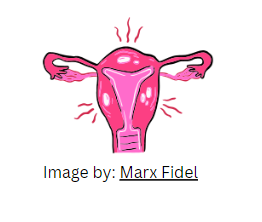
These are four myths that still surround endometriosis—myths that need to die (check out my X post on this): https://x.com/Kelmyer5/status/1901849777136095423.
In reality, endometriosis is a systemic inflammatory disease affecting 1 in 9 women, often taking 7-10 years, even decades to diagnose through invasive surgery (AIHW, 2024).
We both live with this battle of daily acute and chronic pain, fatigue, and a medical system that dismisses us.
On Phoenix Sound: The Philosophy of Health Podcast, we aim to educate, empower, and explore alternative solutions to provide long term safe relief to women with endometriosis, and one that’s proving to be worthy of consideration is THC pessaries.
These suppositories—used vaginally or rectally—deliver tetrahydrocannabinol (THC) to the pelvic region, targeting endo pain with precision.
My partner and I have used them and found relief, and we’re also researching this – Let’s dive into how THC pessaries work and why they’re a game-changer.
Endometriosis is a Systemic Inflammatory Disease
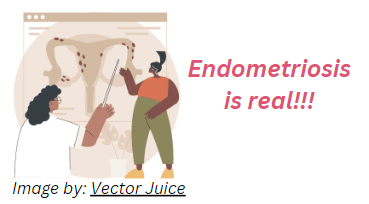
Far from “just a reproductive issue,” endometriosis is a whole-body inflammatory disease impacting the nervous, immune, and endocrine systems (Scientific American, 2023).
It affects 1 in 9 women, causing not just pelvic pain but also fatigue, anxiety, and depression (WHO, 2023).
This pain isn’t “just cramps”—it’s driven by systemic inflammation, nerve hypersensitivity, and an immune response gone awry. Rogue endometriotic lesions create their own blood supply and nerve endings, amplifying the intensity of the pain and internal damage (AIHW, 2024).
Standard treatments—hormonal therapies, painkillers, surgery—often fail us.
Hormones can cause mood swings and weight gain. Conventional painkillers work to mask pain does not modulate it and lose effectiveness over time, and surgery doesn’t guarantee relief, with up to 50% of women needing repeat procedures within five years (Becker et al., 2023).
This leaves women with endometriosis having to navigate a lot of uncertainty, desperate for alternatives that address the root: inflammation and immune dysfunction.
Enter medical cannabis, specifically THC, which interacts with the body’s endocannabinoid system (ECS) to reduce pain and inflammation at the source.
Experts like Mike Sassano, CEO of SOMAÍ Pharmaceuticals who I interviewed recently on my podcast – he’s been highlighting cannabis’s role in managing endo’s unmet needs, offering new hope for those of us in need of stability and relief (Cannabis Health News, 2023).
Let’s explore how the ECS makes this possible.
The Endocannabinoid System (ECS) and Endometriosis

The ECS is our body’s natural regulator, comprising cannabinoid receptors (CB1 and CB2), endogenous ligands like anandamide (AEA) and 2-arachidonoylglycerol (2-AG), and enzymes that manage their synthesis and breakdown. These receptors are found in various tissues, including the endometrium—both inside the uterus and in endometriotic lesions (Russo, 2016).
CB1 Receptors: Located in the central nervous system and reproductive tissues, CB1 receptors regulate pain perception. In endometriosis, pelvic CB1 receptors become hypersensitive, intensifying pain signals (eLife, 2024). THC binds to these receptors, dampening pain directly in the pelvic region.
CB2 Receptors: More prevalent in the immune system, CB2 receptors control inflammation. Endometriosis often impairs CB2 activity, fuelling chronic inflammation and immune dysfunction (Cannabis Health News, 2023). THC’s interaction with CB2 can reduce this inflammatory cascade, addressing a core driver of endo symptoms.
Because endometriotic lesions develop their own nerve endings and blood supply, they’re uniquely responsive to cannabinoids like THC. This makes targeted delivery—like vaginal or rectal pessaries—a powerful option, especially for women seeking targeted, localised relief.
But not all delivery methods are equal—let’s compare oral THC oils to pessaries to see why the latter might be a game-changer for endo care.
THC Oils vs. Vaginal and Rectal Pessaries—Why Delivery Matters

When it comes to THC for endometriosis, how you take it matters as much as what you take.
Let’s break down three delivery methods: oral THC oils, vaginal pessaries, and rectal pessaries, the latter being a great option for women with painful periods.
Oral THC Oils: Taken as tinctures or edibles, oral THC passes through the digestive system and liver—a process called first-pass metabolism. This reduces bioavailability to 10-20%, meaning most THC is lost before it can work (Russo, 2016). Effects take 30-90 minutes to kick in, but they’re long-lasting, offering systemic relief for whole-body inflammation. The downside? Slower onset, potential psychoactive effects and less targeted relief for pelvic inflammation.
Vaginal and Rectal THC Pessaries: These suppositories bypass the digestive system, absorbing directly through the vaginal or rectal mucosa into the bloodstream. Both areas are rich in CB1 and CB2 receptors, allowing THC to act locally on pelvic pain and inflammation (Springer, 2024). Bioavailability is higher, effects kick in within 15-30 minutes, and relief is targeted—perfect for deep endo pain or severe menstrual cramps. Rectal pessaries are especially useful during periods, as they avoid vaginal insertion during heavy flow while still delivering localized relief (Cannabis Health News, 2023).
For endo warriors, pessaries offer a direct, fast-acting solution—empowering us to manage pain where it hits hardest. But what does the research say about their effectiveness?
The Science and Stories Behind THC Pessaries
Research on THC pessaries for endometriosis is emerging and early studies are promising.
A 2024 German study found that vaginal cannabis suppositories reduced pelvic pain in 70% of endo patients, with minimal side effects (Springer, 2024).
THC’s anti-inflammatory properties—via CB2 receptor activation—help break the cycle of chronic inflammation, while its CB1 interaction eases nerve pain (Cannabis Health News, 2023).
However, research on cannabis for endo remains limited due to historical underfunding -more studies have been done on male baldness than endometriosis, with gender disparities in funding and study volume leaving endo understudied (Journal of Women’s Health, 2015; Nature, 2023).
Existing studies have primarily focused on cannabis oils and flower as the main delivery methods.
Oils, often CBD-based, are commonly prescribed for their anti-inflammatory effects and ease of use (Honahlee, 2020; Journal of Clinical Medicine, 2023), while inhaled flower is favoured for its rapid pain relief, as seen in a retrospective study of 252 women with endo (Strainprint Technologies, 2020).
On Phoenix Sound, I’ve heard stories from listeners exploring cannabis for endometriosis and a range of chronic illnesses. One shared how rectal pessaries during her period cut her pain in half, letting her reclaim the joys of life—like walking her dog without wincing and enjoying sex again.
Alternative medicine isn’t a cure, there are no cures for endometriosis, but medical cannabis is a very effective tool—one that empowers us to explore beyond the bounds of traditional medicine, and targeted delivery matters.
Endometriosis leaves us searching for answers—mainstream medicine often isn’t enough.
THC pessaries, whether vaginal or rectal, offer a new path: targeted, fast-acting relief that tackles pain and inflammation at the source – something conventional treatment simply doesn’t do.
Whether you choose oral oils for its synergistic effects or pessaries for pelvic focus, or both, cannabis is giving endo warriors option to take back control over their lives.
Phoenix Sound

On Phoenix Sound, we’re committed to educating on these alternatives, empowering us to advocate for better care, and exploring what works (and what doesn’t).
More research is needed, but the potential of THC pessaries is undeniable.
If you’re curious, talk to a healthcare provider familiar with cannabis—explore what fits your journey.
For us, this is about more than pain relief; it’s about reclaiming freedom and being able to live life on our own terms because every woman is entitled to a life she can call her own.
Join us on Phoenix Sound to keep digging into health’s big questions: https://phoenixsound.substack.com
Let’s rise together.
Authors:
Kel Myers & Ally Crowe
References
- Australian Institute of Health and Welfare (AIHW). (2024). Endometriosis in Australia.
- Link: https://www.aihw.gov.au/reports/chronic-disease/endometriosis-in-australia/contents/endometriosis
- Cited in: Introduction, Section 1 (1 in 9 women, diagnosis delays, systemic impact).
- Scientific American. (2023). Painful Endometriosis Can Affect the Whole Body.
- Link: https://www.scientificamerican.com/article/painful-endometriosis-can-affect-the-whole-body-not-only-the-pelvis/
- Cited in: Section 1 (endo as a whole-body inflammatory disease).
- World Health Organization (WHO). (2023). Endometriosis Fact Sheet.
- Link: https://www.who.int/news-room/fact-sheets/detail/endometriosis
- Cited in: Section 1 (endo’s impact on fatigue, anxiety, depression).
- Becker, C. M., et al. (2023). ESHRE guideline: endometriosis. Human Reproduction Open, 2023(2).
- Link: https://academic.oup.com/hropen/article/2023/2/hoad017/7198933
- Cited in: Section 1 (50% recurrence rate post-surgery).
- Russo, E. B. (2016). Clinical endocannabinoid deficiency reconsidered: Current research supports the theory in migraine, fibromyalgia, irritable bowel, and other treatment-resistant syndromes. Cannabis and Cannabinoid Research, 1(1), 154-165.
- Link: https://www.liebertpub.com/doi/10.1089/can.2016.0009
- Cited in: Section 2 (ECS receptors in endometrial tissue), Section 3 (bioavailability of oral THC at 10-20%).
- eLife. (2024). CB1 Hypersensitivity in Endometriosis.
- Link: https://elifesciences.org/articles/96523
- Cited in: Section 2 (CB1 receptor hypersensitivity in endo).
- Cannabis Health News. (2023). How Cannabis Could Help Manage the Unmet Need in Endometriosis.
- Link: https://cannabishealthnews.co.uk/2023/09/06/how-cannabis-could-help-manage-the-unmet-need-in-endometriosis/
- Cited in: Introduction (Mike Sassano’s insights), Section 1 (cannabis for endo’s unmet needs), Section 2 (CB2’s role in inflammation), Section 3 (rectal pessaries for menstrual pain), Section 4 (THC’s anti-inflammatory effects).
- Springer. (2024). Vaginal Cannabis Suppositories for Endometriosis Pain.
- Link: https://link.springer.com/article/10.1007/s00404-024-07652-6
- Cited in: Section 3 (vaginal pessaries’ effectiveness), Section 4 (German study on pain reduction).
- Link to Phoenix Sound Podcast: https://phoenixsound.substack.com
- Episodes references: S1 EP6-7 with Dr Amy Carmichael & S2 EP1 Mike Sassano
Disclaimer – Please note, all advice given is based on various healthcare models that have been proven to support patients with sustainability and backed by Public Health England (PHE) and various world health organisations. Nonetheless, you should run any changes to your routine by your GP as they are your primary carer, it is also important that any other healthcare professionals involved in your care is involved in your goal planning. Don’t forget they hold your medical records and would be familiar with you; this will help everyone to be on the same page and will also enable you to plan more realistically and not overestimate your capacity!


16 April 2025, 3:25 pm
https://mazda-demio.ru/forums/index.php?autocom=gallery&req=si&img=6337
29 April 2025, 11:48 pm
Awesome https://is.gd/N1ikS2
30 April 2025, 6:16 pm
Good https://is.gd/N1ikS2
30 April 2025, 10:18 pm
Very good https://is.gd/N1ikS2
25 May 2025, 7:24 am
https://shorturl.fm/XIZGD
27 May 2025, 7:10 pm
https://shorturl.fm/68Y8V
27 May 2025, 11:50 pm
https://shorturl.fm/FIJkD
28 May 2025, 5:21 am
https://shorturl.fm/68Y8V
29 May 2025, 3:09 pm
https://shorturl.fm/XIZGD
1 June 2025, 1:01 pm
https://shorturl.fm/ypgnt
26 July 2025, 6:22 pm
https://shorturl.fm/fdDpS
7 August 2025, 3:12 am
https://shorturl.fm/Xz7rr
12 August 2025, 1:51 pm
https://shorturl.fm/8SL39
19 August 2025, 3:12 am
https://shorturl.fm/KWelQ
23 January 2026, 5:02 pm
Your point of view caught my eye and was very interesting. Thanks. I have a question for you.
2 February 2026, 5:10 am
Thanks for sharing. I read many of your blog posts, cool, your blog is very good.
8 May 2026, 12:58 am
I don’t think the title of your article matches the content lol. Just kidding, mainly because I had some doubts after reading the article.
12 May 2026, 5:29 pm
Your point of view caught my eye and was very interesting. Thanks. I have a question for you. https://www.binance.com/register?ref=JW3W4Y3A
19 May 2026, 5:33 pm
Please feel free to reach out ethvida.2024@gmail.com