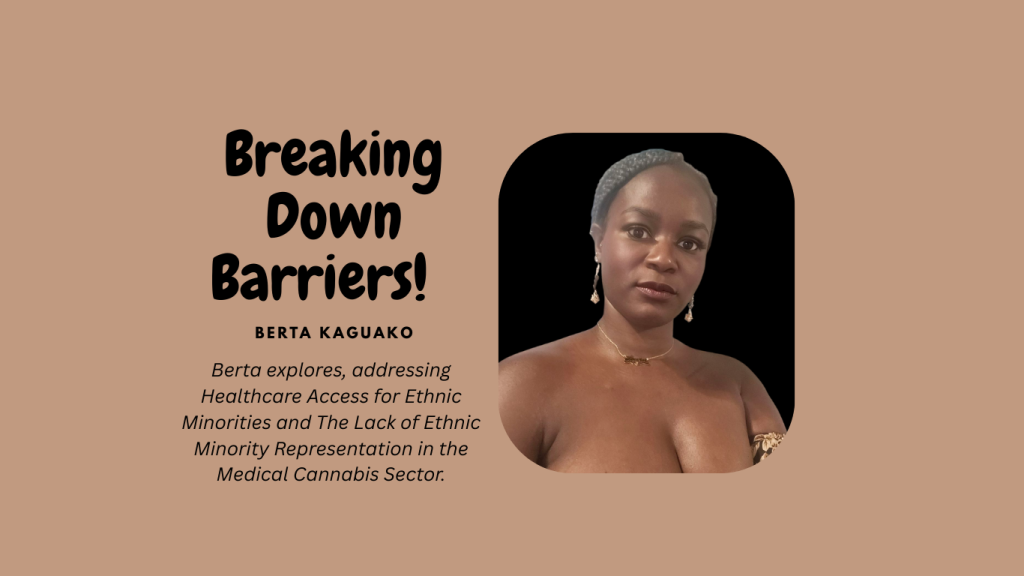
Addressing Healthcare Access for Ethnic Minorities and The Lack of Ethnic Minority Representation in the Medical Cannabis Sector.
Introduction
Medical cannabis has become a beacon of hope for many patients, offering relief from chronic pain, anxiety, and other medical conditions where traditional treatments may have fallen short. In the UK, the legalization of medical cannabis was heralded as a significant step forward in improving access to alternative therapies. However, despite cannabis being widely used recreationally by ethnic minorities, there is a stark disparity when it comes to access to medical cannabis prescriptions within these communities. This lack of representation and access is a multifaceted issue rooted in both systemic barriers and cultural factors.
Ethnic Minorities and Cannabis Use: A Complex Relationship
Cannabis has long been used recreationally by ethnic minority communities, with research showing that certain ethnic groups consume cannabis at higher rates than the general population. Yet, despite this widespread use, ethnic minorities are severely underrepresented in the medical cannabis sector. The reasons for this discrepancy are deeply rooted in both social and medical inequalities.
While many ethnic minority communities have a long tradition of using plant-based medicine, there is often a hesitation to seek out professional healthcare for cannabis-related treatment. For many, medical cannabis remains a stigmatized and misunderstood option, and there is a lack of awareness about its potential therapeutic benefits. In many cases, individuals in these communities might turn to self-medication using cannabis without consulting healthcare professionals, as they may not view it as a “legitimate” treatment option or simply don’t have the knowledge to understand its potential medical applications.
Lack of Access to Medical Cannabis Prescriptions
Though medical cannabis is now legal in the UK, the uptake of prescriptions within ethnic minority communities has been minimal. One of the major reasons for this is a lack of representation in both the healthcare and cannabis sectors. Ethnic minorities often report feeling disconnected from the medical system, which can lead to a reluctance to approach healthcare professionals with concerns about cannabis use. This is particularly true when it comes to conditions that could benefit from medical cannabis, such as chronic pain or anxiety.
In addition to cultural barriers, healthcare providers themselves may be less likely to recommend medical cannabis to patients from ethnic minority backgrounds due to limited understanding or bias. With few ethnic minority practitioners in the medical cannabis sector, patients may not feel comfortable discussing their concerns or seeking cannabis as a treatment option, which only perpetuates the cycle of underutilisation.
The Documentation Dilemma: Struggling to Evidence Unmet Clinical Need
One of the most significant barriers for ethnic minorities in accessing medical cannabis is the difficulty in obtaining the necessary documentation to support a prescription. To secure a prescription for medical cannabis, patients must demonstrate an unmet clinical need for the treatment, usually through medical records or consultations with doctors who are willing to prescribe.
However, many individuals from ethnic minority backgrounds may not have the proper documentation or may not have seen a doctor for their condition in the first place. This can be particularly true in communities where plant-based medicine, including cannabis, is the preferred form of treatment. When patients use cannabis outside the formal medical system, they miss out on the medical documentation that would substantiate their need for a prescription. As a result, these individuals find themselves in a vicious cycle: they may not see a doctor because they rely on plant medicine, but without medical documentation, they are unable to demonstrate their unmet clinical need for medical cannabis.
This documentation gap further exacerbates the inequities in healthcare access for ethnic minorities. Without the necessary paper trail, these patients are effectively excluded from legal access to medical cannabis, even though they may have a legitimate need for it. This lack of access is particularly troubling when you consider that many of these individuals may be using cannabis recreationally to manage symptoms such as chronic pain, insomnia, or anxiety—conditions that medical cannabis could help alleviate in a more controlled and safe manner.
Why the Discrepancy?
There are several reasons why ethnic minorities are underrepresented in the medical cannabis sector despite using cannabis recreationally at higher rates:
Stigma and Misinformation
Cannabis use, especially in medical contexts, is still heavily stigmatized in many ethnic minority communities. These groups may view cannabis as a substance associated with recreational or illegal use rather than a legitimate form of medicine. Additionally, there is a lack of education on the potential medical benefits of cannabis, which can lead to resistance to exploring it as a treatment option.
Cultural Preferences for Plant-Based Medicine
Many ethnic minority communities have long-standing traditions of using plant-based or herbal remedies. While this is beneficial for their health in many cases, it can also mean they bypass conventional healthcare systems. This results in a lack of clinical documentation that could support a medical cannabis prescription.
Healthcare System Distrust
Many ethnic minorities experience a deep-seated mistrust of the healthcare system due to historical and ongoing racial disparities. This mistrust can prevent individuals from seeking medical advice about cannabis use or pursuing alternative treatments that could benefit them. A lack of cultural competence in healthcare also contributes to this issue.
Bias and Discrimination in Medical Practice
Medical practitioners may unconsciously hold biases about cannabis or about ethnic minority patients, resulting in fewer referrals or prescriptions for medical cannabis. There is also a significant lack of diversity among healthcare providers specializing in medical cannabis, which means that ethnic minorities may not feel as comfortable seeking help in this field.
Difficulty Evidencing clinical need
Due to a lack of trust in healthcare providers, individuals from minority backgrounds often avoid seeking professional medical help and instead turn to self-medication. As a result, when they do eventually visit a clinic, they may struggle to evidence their unmet healthcare needs, as there is no prior record of seeking support from their GP. This issue is particularly prevalent among mothers, as anecdotal evidence suggests they fear that consulting a GP may lead to concerns about their emotional and psychological wellbeing, potentially resulting in their children being reported to child protective services.
What Needs to Change?
To address the disparity in medical cannabis access for ethnic minorities, there are several steps that need to be taken:
Increasing Education and Awareness
Education campaigns aimed at both ethnic minority communities and healthcare professionals are essential. These campaigns should focus on the benefits of medical cannabis, how it can help treat various conditions, and how to access it legally. Cultural sensitivity training for healthcare providers is also crucial in addressing the unique needs of these communities.
Increasing Ethnic Minority Representation in the Cannabis Sector
A key step in improving access to medical cannabis is to increase the representation of ethnic minorities in the healthcare and cannabis sectors. This will help build trust and make these communities feel more comfortable seeking help and advice about medical cannabis.
Breaking Down Stigmas
There needs to be a concerted effort to break down the stigma surrounding cannabis use in ethnic minority communities. Public awareness campaigns, combined with improved access to information, can help shift the perception of cannabis from being a recreational drug to being a legitimate medical treatment.
Final Thoughts
The barriers ethnic minorities face in accessing healthcare and mental health support are real, but they are not insurmountable. Education, outreach, and increasing the representation of ethnic minority practitioners are essential steps in breaking these barriers. It’s essential to recognize that mental health issues are not a sign of weakness but a call for help. With the right support, individuals from ethnic minority communities can begin to seek out the care they deserve, improving both their physical and mental well-being.
To anyone reading this: If you are part of an ethnic minority community, remember that you are not alone in your struggle. Take the first step in accessing support, look for healthcare professionals who understand your culture and background. Your health matters, and getting the right support is vital to living your best life.
The underrepresentation of ethnic minorities in the medical cannabis sector is a complex issue that involves historical, cultural, and systemic barriers. While cannabis use is widespread within these communities, the lack of access to medical cannabis prescriptions can be attributed to a combination of stigma, cultural preferences, lack of proper documentation, and discrimination within the healthcare system.
Addressing these barriers requires a multifaceted approach that includes increasing education, improving access to medical documentation, and increasing ethnic minority representation in the cannabis sector. By taking these steps, we can ensure that ethnic minorities are able to access the medical cannabis treatments they need to improve their health and well-being.
References
- My Brain
Disclaimer – Please note, all advice given is based on various healthcare models that have been proven to support patients with sustainability and backed by Public Health England (PHE). Nonetheless, you should run any changes to your routine by your GP as they are your primary carer, it is also important that any other healthcare professionals involved in your care is involved in your goal planning. Don’t forget they hold your medical records and would be familiar with you; this will help everyone to be on the same page and will also enable you to plan more realistically and not overestimate your capacity!
EthVida is not a healthcare provider, we offer awareness in the form of education, signposting and advocacy for plant-based medicines.


17 October 2025, 11:57 pm
https://shorturl.fm/HbcYP
22 October 2025, 9:22 am
https://shorturl.fm/DPDRI
26 October 2025, 7:39 pm
https://shorturl.fm/CeMNv
18 November 2025, 4:45 pm
https://shorturl.fm/RwpEC
14 January 2026, 2:47 pm
Thanks for sharing. I read many of your blog posts, cool, your blog is very good.
24 January 2026, 11:35 am
Thank you for your sharing. I am worried that I lack creative ideas. It is your article that makes me full of hope. Thank you. But, I have a question, can you help me?
3 February 2026, 12:34 am
Earn recurring commissions with each referral—enroll today!
13 March 2026, 4:02 am
Your point of view caught my eye and was very interesting. Thanks. I have a question for you.
24 April 2026, 7:04 am
https://shorturl.fm/8JKPx
1 May 2026, 6:09 am
Thank you for your sharing. I am worried that I lack creative ideas. It is your article that makes me full of hope. Thank you. But, I have a question, can you help me?
8 May 2026, 5:27 am
https://shorturl.fm/HjA0O
18 May 2026, 10:24 pm
https://shorturl.fm/j3paL